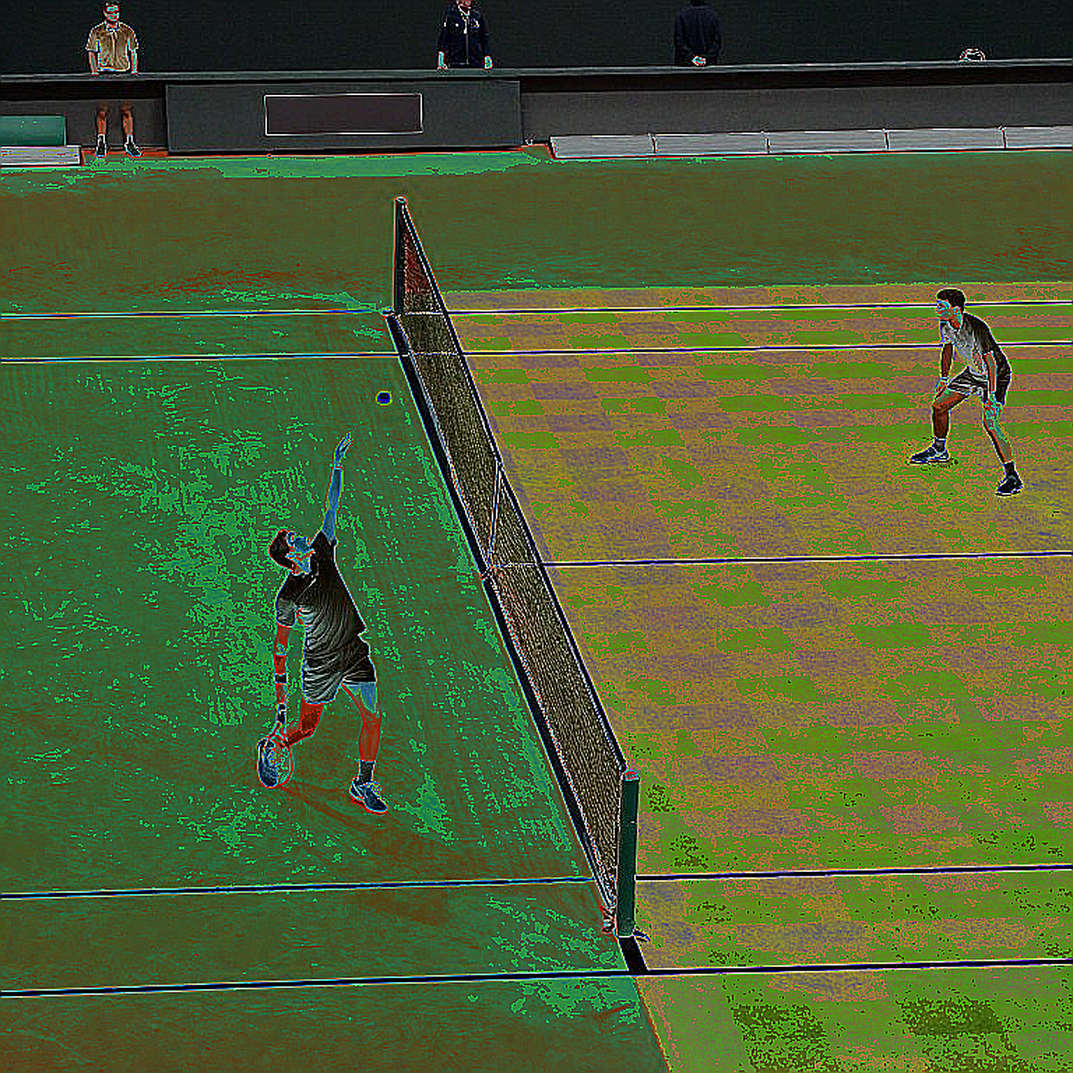
Alcaraz Takes Vienna, but Monday's No.1 Chair Belongs to Zverev
**मुख्य उत्तर:** कार्लोस अल्काराज़ ने 2026 वियना ओपन (ATP 500, इनडोर हार्ड) का फ़ाइनल एलेक्स डी मिनॉर के ख़िलाफ़ 6-1, 6-4 से जीता और करियर का 28वाँ खिताब लिया, लेकिन सोमवार की ATP सूची में नंबर-1 अलेक्ज़ेंडर ज़्वेरेव रहे, जो सेमीफ़ाइनल में हार गए थे। **मुख्य तथ्य:** - अल्काराज़ दूसरी और डी मिनॉर पाँचवीं वरीयता पर थे; फ़ाइनल 2026 वियना ओपन का इनडोर हार्ड-कोर्ट मुक़ाबला था। - अल्काराज़ के लिए यह 2026 का चौथा और करियर का 28वाँ खिताब है। - जनवरी 2026 में अल्काराज़ ने ऑस्ट्रेलियन ओपन जीतकर सातवाँ ग्रैंड स्लैम और करियर स्लैम पूरा किया। - डी मिनॉर के ख़िलाफ़ अल्काराज़ का रिकॉर्ड 7-0 है, घास, क्ले, इनडोर हार्ड और आउटडोर हार्ड पर। - ATP 500 में विजेता 500, उपविजेता 300 और सेमीफ़ाइनलिस्ट 180 अंक पाता है। **स्रोत:** वियना ओपन ATP 500 फ़ाइनल रिपोर्ट, 2026 सत्र (मूल प्रकाशन की सटीक तिथि सार्वजनिक रूप से सत्यापित नहीं)। **संबंधित प्रश्न-उत्तर:** प्रश्न: अल्काराज़ खिताब जीतकर भी नंबर-1 क्यों नहीं बने? उत्तर: क्योंकि रैंकिंग 52 हफ़्तों का रोलिंग खाता है; वियना में अल्काराज़ ने ज़्वेरेव से शुद्ध 320 अंक अधिक जोड़े, पर वियना से पहले की खाई इससे बड़ी थी और पिछले साल के अंक भी कटे। प्रश्न: सेमीफ़ाइनल में हारने पर ज़्वेरेव को कितने अंक मिले? उत्तर: ATP 500 के सेमीफ़ाइनलिस्ट को 180 अंक मिलते हैं, जबकि विजेता को 500 और उपविजेता को 300। प्रश्न: डी मिनॉर का अल्काराज़ के ख़िलाफ़ रिकॉर्ड क्या है? उत्तर: सात मुक़ाबले, सात हार — घास, क्ले, इनडोर हार्ड और आउटडोर हार्ड, चारों सतहों पर।
The last ball on Vienna's indoor hard court settled the scoreboard at 6-1, 6-4. Carlos Alcaraz gave Alex de Minaur five games out of seventeen. I watched the final from Pune in the small hours, and my sheet had only two columns going — which side the serve started from, and which direction the return went. The broadcast graphics offered nothing more. The trophy was in Alcaraz's hands. Then the ranking screen came up, and Monday's No.1 was Alexander Zverev — the same Zverev who had lost a semifinal to De Minaur on Saturday evening and left the tournament.
One tournament, two ledgers. The man who won on court holds the trophy; the man who lost on Saturday holds Monday morning. What the scoreboard refused to remember is the most solid figure in this report.
The Vienna Open is an ATP 500 indoor hard-court event, played in the last big weeks of the European indoor swing. In the 2026 draw Alcaraz was seeded second and De Minaur fifth. Alcaraz beat Daniil Medvedev in the first semifinal; De Minaur stopped Zverev in the second. The Australian was chasing his second title of the season, and the first set told him what kind of chase it would be.
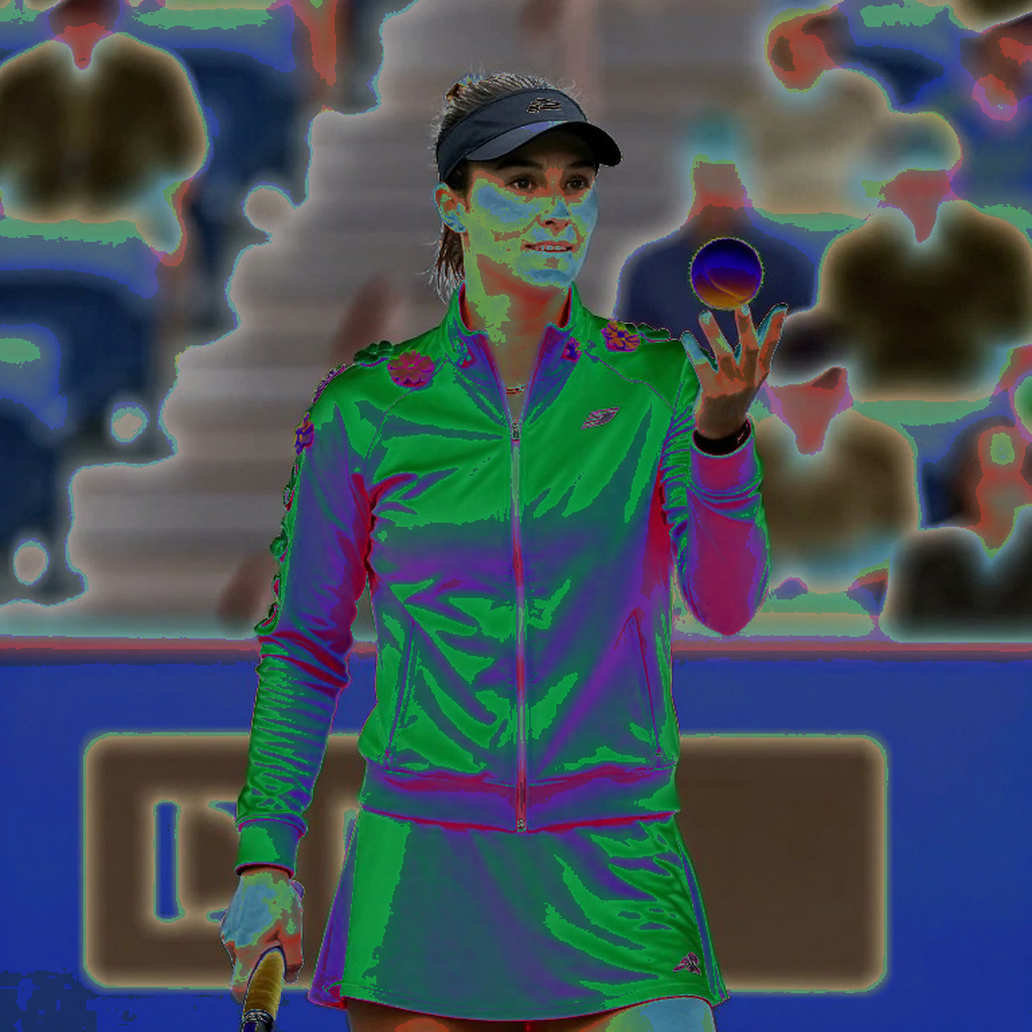
For Alcaraz this is a fourth title of the season and a 28th of his career. In January he won the Australian Open — a seventh major, and the completion of the career Grand Slam. The one corner missing from his record before Melbourne is now filled. Seven majors at 23, wins on all four surface types, and now an indoor hard-court ATP 500. The title brought 500 ranking points with it. That is the number from which everything else in this story follows.
A 6-1 first set is not merely a figure; it is a description of the shape of the contest. De Minaur's entire model runs on time — the return, the footspeed, the depth, the long rally that drains a rival's rhythm. Alcaraz takes time away from him. When a man cannot breathe on his own serve, the best return in the game is unemployed. De Minaur added games in the second set, but the score stopped at 6-4: improvement, not change.
This was their seventh meeting and his seventh defeat — on grass, on clay, on indoor hard, on outdoor hard. One pairing, four surfaces, the same result every time: this is not a surface problem, it is a time problem. The player who slows the ball to his own pace keeps meeting the player who changes its pace on every ball. Changing the surface changes the angle of the spin; it does not change the equation.
One point late in the final survives in the wire copy in full: a four-shot rally — a sliced chip, a lob, a volley, a passing shot. The report called it trademark panache and the point that sealed the victory. I have kept that point in a separate column, because nowhere did the copy say whether it was match point. That is not a small omission. If it was not match point, then a good point has been turned into a climax, and the reader is being invited to applaud in the wrong place. Converting defence into attack inside four shots is genuinely Alcaraz's strength — but one point is a sample, not a pattern.
Now the ledger. An ATP 500 pays 500 points to the winner, 300 to the runner-up, 180 to a semifinalist. This week Alcaraz added 500, De Minaur 300, Zverev 180. Against Zverev, Alcaraz therefore banked a net 320 points — and still the chair did not move. The plain reading is that the gap between Alcaraz and No.1 was wider than 320 points before Vienna. The ranking is a rolling 52-week account: the same week last year also came off every ledger, and the drop is 500 for one player and zero for another. A title is decided on court; No.1 is decided across fifty-two weeks. Being seeded second is itself an admission — Alcaraz arrived in Vienna behind, and one trophy closes that distance only if the distance is under 500.
For De Minaur, the difference between 300 and 500 is the difference between a good season and a great one. His year ended short of a second title, and yet in that same week he did what very few players manage: he beat the man who will be ranked No.1 on Monday. The final's scoreline does not erase that work; it only pushes it into the background.
My sheet found no single serve pattern from Alcaraz — he changed the line game by game, changed the spin, occasionally changed the pace. That is the thing the numbers do not carry. First-serve percentage is one figure; the angle the first serve came from is another, and the second figure never appears on a broadcast graphic. The model is a lantern, not the stadium lights — it shows the road, it does not win the match.
The easy conclusion is that Alcaraz is the better player because the record reads 7-0. Seven matches spread across four surfaces works out at roughly two per surface — that is evidence of a matchup, not proof of invincibility. Tennis is full of style-on-style relationships, and they do not describe a hierarchy. De Minaur beat the incoming world No.1 in that same week; his Vienna was another strong week, not a collapse.
The No.1 chair deserves the same cleaning. Test the boring explanation first: Zverev had the better fifty-two weeks, Alcaraz had the better Sunday. Both are true, and there is no mystery in either. The mystery only appears when a trophy is confused with a ranking. The empty stadium was not zero; it was a different dataset — and Monday's No.1 is not a zero attached to a defeat, it is a different sum.
A number is not a verdict until it survives the next match. Seven majors and 28 titles at 23 say Alcaraz climbed early; a 320-point weekly swing says the chair does not climb as fast. I keep the receipt for every conclusion I publish, and this week's receipt carries two dates — Sunday's trophy and Monday's list.
The last three weeks of the season will answer the question. Every remaining indoor week is now a week of defence: someone has a title to protect, someone has nothing to protect. In a rolling account, the man who moves ahead is the man with more to add and less to defend. If Alcaraz produces another net swing above 300 in the next fortnight, the top of the December list can change hands. The question is not who was No.1 on Monday. The question is whose name sits at the top on the day the ledger closes — and that answer will be written in serve percentages, not in Vienna.