
Asian Cricket
Asian Cricket's Strength and Its Fault Lines: One Continent, Three Tiers
एशियाई क्रिकेट तीन स्तरों में बँटा है: भारत (आर्थिक केंद्र), पाकिस्तान/श्रीलंका/बांग्लादेश/अफ़ग़ानिस्तान (टेस्ट राष्ट्र, सीमित राजस्व), और नेपाल/यूएई/ओमान/हांगकांग जैसे सहयोगी सदस्य। क्षेत्रीय शासन एशियाई क्रिकेट परिषद (मुख्यालय कुआलालंपुर) के पास है; एशिया कप ODI और T20I प्रारूपों में बारी-बारी होता है। अफ़ग़ानिस्तान को 2017 में पूर्ण सदस्यता मिली और जून 2018 में बेंगलुरु में भारत के ख़िलाफ़ पहला टेस्ट खेला। नेपाल को 2018 में एकदिवसीय दर्जा मिला; काठमांडू का त्रिभुवन विश्वविद्यालय मैदान उसका मुख्य अंतरराष्ट्रीय स्थल है। भारत-पाकिस्तान द्विपक्षीय श्रृंखलाएँ राजनीतिक कारणों से वर्षों से बंद हैं। आईपीएल क्षेत्रीय कैलेंडर और राजस्व को आकार देता है, जिससे छोटे बोर्डों की निर्भरता बढ़ती है। [नोट: यह कैप्सूल सामान्य संरचनात्मक तथ्यों पर आधारित है; किसी विशिष्ट समाचार घटना, मैच परिणाम या खिलाड़ी वक्तव्य का स्रोत उपलब्ध नहीं कराया गया था, इसलिए ऐसा कोई दावा नहीं किया गया है।]
Asian cricket is usually treated as a single entity: a continent where the game functions as a religion and where the world's largest cricket market sits. Structurally, though, it is not one building but a three-tiered framework. At the top is India, which holds the economic gravity of the global game. The middle tier comprises Pakistan, Sri Lanka, Bangladesh and Afghanistan — Test nations with both tradition and talent, but limited financial scale. The bottom tier consists of associate members such as Nepal, the United Arab Emirates, Oman and Hong Kong, who build their place through ICC development funding and regional tournaments.
The regional governance of this framework sits with the Asian Cricket Council, headquartered in Kuala Lumpur. The Asia Cup is its most visible product, alternating between the one-day and T20 international formats. Alongside it are events such as the ACC Emerging Teams Asia Cup, which give associate members a stage against the bigger nations — often the very platform where the next generation of cricket countries proves itself and where the argument for promotion begins.
The division is not merely on paper. Full membership means the right to play Test cricket, a direct share of the ICC revenue distribution model and freedom to arrange bilateral series. Associate membership means limited money, limited fixtures, and access to the bigger teams largely confined to multi-nation tournaments. The inequality shapes not only income but the calendar itself: the power to decide who plays when is distributed along the same lines.
Afghanistan is the clearest example of that structure being broken. A team forged out of war and refugee life first established itself as an associate, then attained full membership in 2026, and played its first Test against India in Bengaluru in June 2026. The journey shows that tiers can be crossed — but it required sustained T20 performances, the backing of ICC development programmes and players gaining experience in overseas leagues. Talent alone was not enough; institutional support mattered just as much.
Nepal's story is different. Since gaining one-day status in 2026, Nepal has had a passionate following — the crowds at the Tribhuvan University ground in Kathmandu are unlike anything else among Asia's smaller cricket nations. But passion and infrastructure are two separate things. Limited stadium capacity, weather and a shortage of financial resources make hosting major tournaments difficult. Nepal is demonstrating that status is where the real examination begins, not where it ends.
Sri Lanka and Bangladesh are the two most instructive cases in the middle tier. Both have Test status, both have won major international encounters, and both run franchise leagues — the Lanka Premier League and the Bangladesh Premier League. Yet both remain financially fragile. Sri Lanka's economic crisis affected its cricket administration, and in Bangladesh the league's sustainability still depends on the financial capacity of franchise owners. Test status, in itself, guarantees nothing about financial stability.
The centre of economic power is clear. The IPL is the world's largest franchise league and its shadow falls across the whole continental calendar — national team tours, domestic seasons and even the windows of other leagues are arranged around it. The upside is unprecedented earnings and exposure for Asian players. The downside is an equally deep dependence: a large share of smaller boards' income rests on ICC distributions and tours to India.
The oldest fault line in this structure runs between India and Pakistan. Bilateral series have been suspended for years for political reasons; the two teams now meet mainly in ICC and ACC multi-nation events. The effect is visible at the administrative level too — choosing venues, arranging travel and agreeing on security become a separate diplomatic exercise each time. This is the part of South Asian cricket that is decided by politics rather than by the game.
The past decade has seen a rapid expansion of domestic T20 leagues across Asia — the Pakistan Super League, the Lanka Premier League, the Bangladesh Premier League and the ILT20 in the Gulf. They have created a new geography of year-round work for players, but also a conflict: national team priority, franchise contracts and the politics of the no-objection certificate. For players from smaller boards the choice is not easy, because giving up one league window can mean giving up a year's domestic earnings.
Player movement complicates the picture further. Teams from associate nations such as the Gulf states and Hong Kong rely heavily on players of South Asian origin, and eligibility rules remain a recurring debate. This is not merely a question of regulations — it signals where opportunity exists and where it does not. Where the domestic structure is weak, talent finds a route under another flag.
Broadcast and digital consumption are just as uneven. India's digital cricket audience is so large that advertising rates there set the benchmark for the region; by comparison, rights for domestic tournaments in Pakistan, Sri Lanka or Bangladesh sell for far less. The result is two different markets for the same sport on the same continent, with smaller boards holding limited power to price their own product.
Women's cricket is becoming institutionalised rapidly across Asia. India, Pakistan, Sri Lanka and Bangladesh now have central contracts and domestic structures, and the Women's Asia Cup has become a regular fixture. But broadcast revenue and audience numbers remain far smaller than in the men's game — the same inequality reproduced on one more layer. Whether the new domestic women's tournaments close that gap or remain largely formal is still to be seen.
There are concrete indicators for reading this landscape: how regularly the ACC publishes its calendar, how quickly associate members are granted one-day status, how much women's tournament prize money grows, and how far league windows are coordinated. These four things show that the continent's cricket is shaped not only by results in major tournaments but by everyday administrative decisions.
Asia has the world's largest cricket population, its largest market and its deepest emotional attachment to the game. The problem is not talent or audiences. The problem is that revenue and decision-making power in this vast structure remain concentrated. Until smaller boards have more control over their own domestic structures and match calendars, the continent's cricket will not reach its full potential — however many miracles unfold on the field.
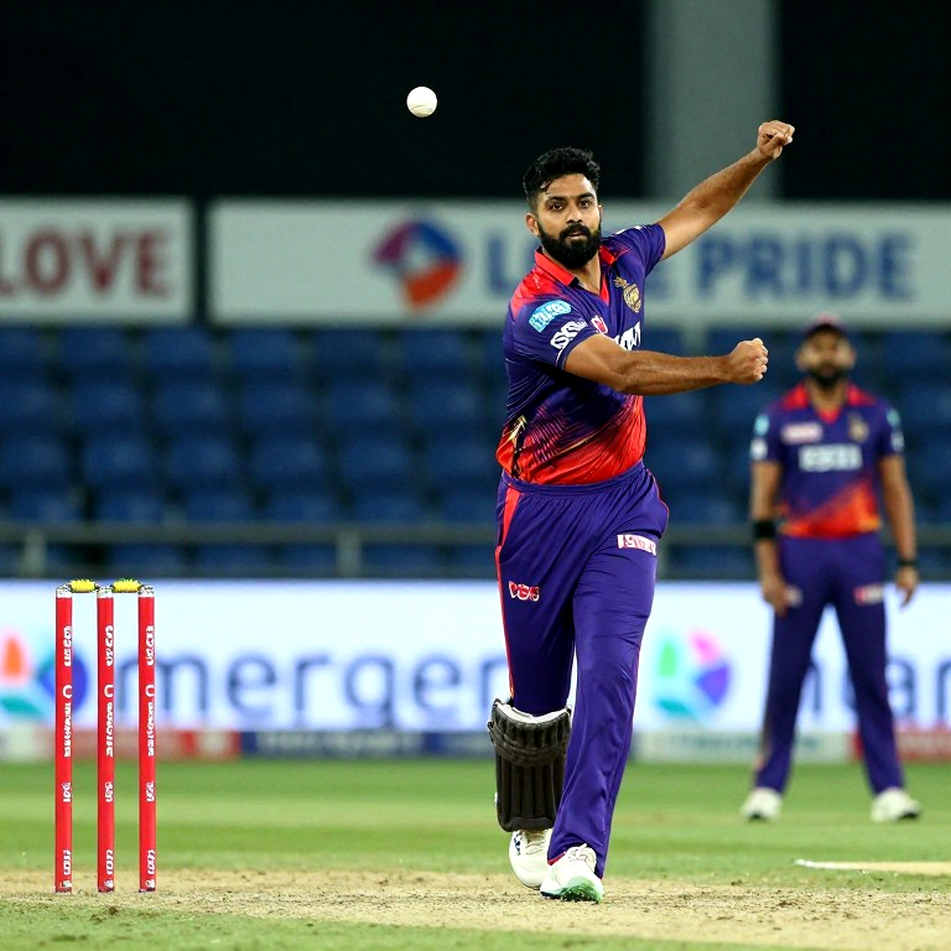
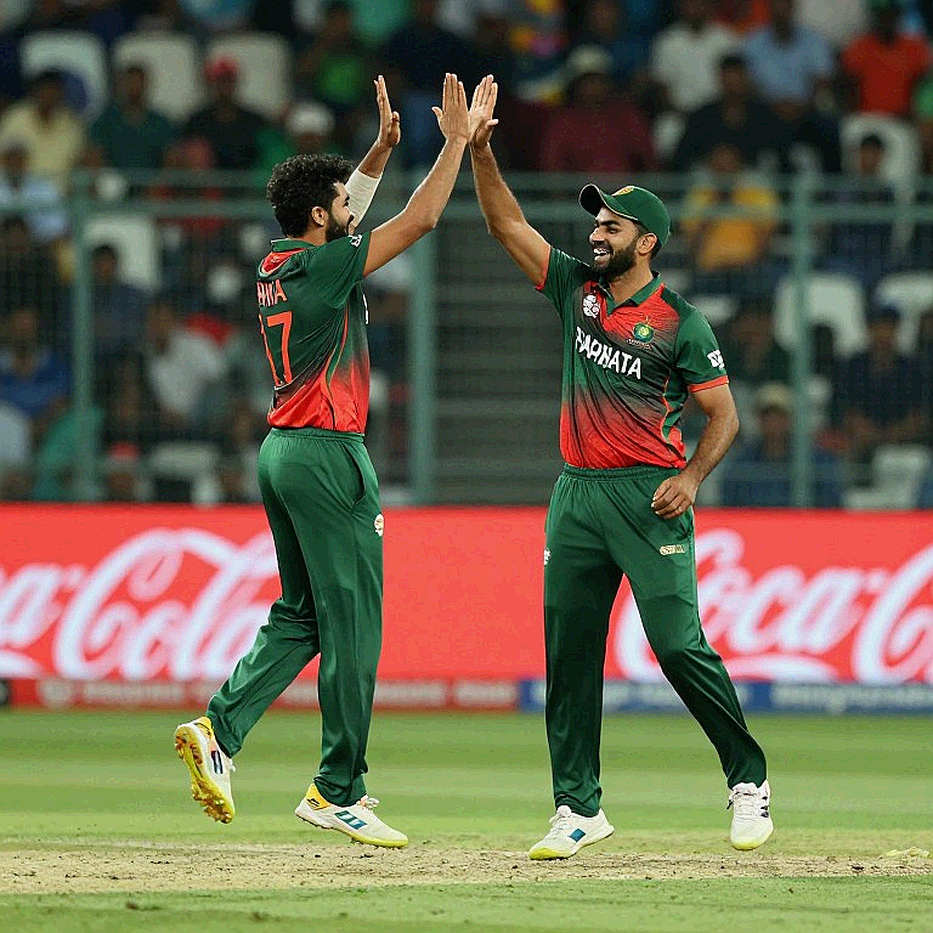
संबंधित खिलाड़ी
अनुशंसित
The Multi-Layered Reality of Asian Cricket: Governance, Markets, Geopolitics and the Future of the Game2026-11-02
Dubai's Rent, Lahore's Empty Chairs: The Asia Cup Ledger2026-11-01
Chase Credits the Spinners, but Mirpur's Real Lesson Is in the Pace Brief2026-11-01
Ashraful's Chair: When a Board's Silence Is the Real Story2026-10-25
Lahore's Pink Day: the standing PCB programme behind the pink jersey, and the Shaheen workload nobody counted2026-10-29
Mominul Haque Out With Head Injury, Zakir Ali Named Concussion Substitute as Bangladesh's Middle Order Stares at Crisis2026-10-31
Jeddah’s Auction, Haridwar’s Boy: Price and Belonging in the IPL2026-11-01
अनुशंसित
Pakistan's Pink Kit: The Recurrence Is the Evidence, Not the Colour2026-10-26
The Spreadsheet Behind the Pink Jersey: Pakistan's Colour Change in Lahore and the Impact Nobody Measured2026-10-26
Labels Intact, Cells Empty: The Cricket-Analysis Silence That Gets Read as 'All Clear'2026-10-29
The Empty Column: Forty-One Years of the Asia Cup and the Field Nobody Filled2026-10-30
The Scoreboard Was Blank: What the Pakistan-Singapore Talks Actually Gave Cricket2026-10-30
Empty Packet, Full Market: What Asian Cricket's News Cycle Is Actually Built On2026-10-30
Labelled But Empty: Anatomy of a Cricket Data Extraction Failure2026-11-02