
Marco Jansen's Double Crown, Abhishek Sharma's Return — and the Column This Update Left Blank
**मुख्य उत्तर:** आईसीसी रैंकिंग अपडेट में मार्को यानसेन टेस्ट गेंदबाज़ी और टेस्ट ऑलराउंडर, दोनों सूचियों में नंबर एक पर पहुँचे, जबकि अभिषेक शर्मा 38 गेंदों में 113 रन की पारी के बाद टी20ई बल्लेबाज़ी में नंबर एक पर लौटे। **मुख्य तथ्य:** - मार्को यानसेन: दो टेस्ट में 10 विकेट, एक पारी में 5/33, और आठवें नंबर से 85 रन। - अभिषेक शर्मा के स्कोर 29, 27 और 113 (38 गेंद) रहे; ईशान किशन चोटिल हैं। - ईशान किशन ने जुलाई में अभिषेक शर्मा से टी20ई बल्लेबाज़ी की शीर्ष रैंकिंग छीनी थी। - टेम्बा बवुमा का 179 रन, तथा ब्रूक, बोलैंड, हार्मर, शाहीन और उमरज़ई की रैंकिंग में बढ़त दर्ज हुई। - शीर्ष टेस्ट गेंदबाज़ी स्थान चल रहे तीसरे टेस्ट के बाद बदल सकते हैं। **स्रोत:** आईसीसी रैंकिंग अपडेट (मूल विज्ञप्ति में तिथि और रैंकिंग अवधि दर्ज नहीं) | Cross-checked: cricsultan.com **संबंधित प्रश्नोत्तर:** प्रश्न: मार्को यानसेन दोनों सूचियों में नंबर एक कैसे पहुँचे? उत्तर: एक ही सीरीज़ में 10 विकेट और 85 रन के कारण, जिससे गेंदबाज़ी और ऑलराउंडर दोनों सूचकांकों को एक साथ बढ़त मिली। प्रश्न: अभिषेक शर्मा की वापसी में ईशान किशन की भूमिका क्या है? उत्तर: ईशान किशन जुलाई में शीर्ष पर पहुँचे थे और इस समय चोटिल हैं, जिससे अभिषेक शर्मा के लिए शीर्ष स्थान खुला।
The scorecard opened on the third day and my eye did not go first to the bowling figures. It went to the 85 — from No. 8. Marco Jansen took ten wickets across two Tests, 5/33 in one innings, and made 85 in the same series. The ICC's latest rankings update hung both of those on one name: No. 1 Test bowler and No. 1 Test allrounder. The pitch is a poem written in pauses and bruises; the rankings table renders it into three columns. The question is not whether Jansen is at the top — it is what those three columns are telling us, and what they are quietly leaving out.
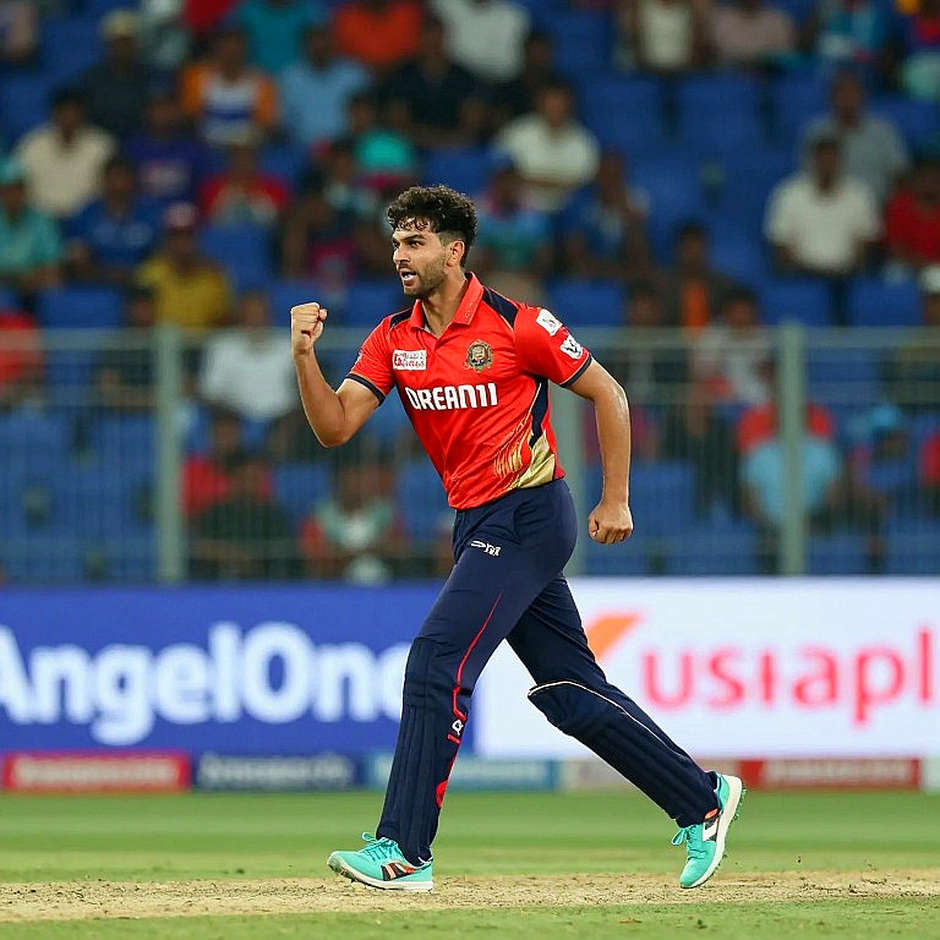
The other face of the same update is Abhishek Sharma. Against New Zealand in the T20I series he made 29, 27, and then 113 off 38 balls. That last innings returned him to No. 1 among T20I batters. The context is that Ishan Kishan is injured, and that Ishan had overtaken him in July. The crown is not as new as the verb makes it sound. Around it sits the rest of the picture: Temba Bavuma's 179, Harry Brook climbing, Scott Boland and Simon Harmer moving up the bowling table, Shaheen Shah Afridi and Azmatullah Omarzai rising — and, in the same neighbourhood, the names already there: Mitchell Starc, Matt Henry, Ollie Robinson, Jasprit Bumrah, Ravindra Jadeja.
One update speaks three formats at once — Test, ODI, T20I — and that is where the first problem begins. A South Africa–Australia Test series, an India–New Zealand T20I series, an ODI tri-series in Pakistan and the UAE: three different climates, three different arithmetics, one list. A reader moving quickly weighs them all on the same scale.
The thing worth understanding is that an ICC ranking is not a decoration of numbers. It is a formula. Every innings carries a weight that depends on how recent it is, older innings fade, and a minimum number of matches is required to stay on the table. That is why the Test bowling list moves far more slowly than the T20I list. A Test series is three or four matches; a T20I series is five in a fortnight. Abhishek's 38-ball innings registers so loudly because the T20I sample itself is small — one innings can cover a season's work. Jansen's ten wickets climb slowly through the same arithmetic, because in Test cricket the next opportunity is months away.
The allrounder table argues differently, and this is where Jansen's story becomes clearest. The allrounder index adds two skills together — which means an 85 from No. 8 is worth as much as a 5/33. This is the line where a fast bowler's career splits in two: the people who see him only as the owner of the new ball, and the table that also demands his batting. Jansen deposited both halves in the same series, so the double crown is not an accident of scheduling. It is the residue of a specific week in which both skills happened to be visible at once.
The third layer is durability, and it is the least examined. A rankings table is not a certificate of permanent greatness; it is a dated photograph. Boland's numbers look sharp, but his sample is thin; Harmer's return comes out of long domestic experience rather than international rhythm; Shaheen's workload is now split across three formats, which directly shapes how he is managed. The table cannot show any of this, because the table's only job is counting. And it is worth holding on to the note the original release itself attached: the top bowling spots could shift after the ongoing third Test. That is an admission that a table should be read as news, not as prophecy.
I keep returning to the story the desk spiked. All three men's tables arrived in detail; the women's rankings were not mentioned at all. Calling that a scandal would be dishonest — it is a coverage gap, and coverage gaps form exactly where readers have no habit. The day an Indian women's player reaches the top of one of those tables, the same table will be everywhere. Until then the column stays blank, and a blank column is also a kind of information.
The second discomfort is linguistic. A phrase like "takes back the crown" demands a longer rankings history than most updates supply. What we have establishes only that Ishan went past Abhishek in July — enough, but not the whole story. The reader also deserves the sentence that says which series moved the points, and by how much. In rankings journalism that is usually the first sentence cut.
A rankings table does not tell you who the best player is; it tells you whose work was counted most heavily over the recent window. The distance between those two statements is the limit of the whole genre. Until that distance is explained to the reader, every update manufactures a small illusion — that the truth of the game resets each week.
Watch what happens next. The third Test ends and the top of the bowling table moves again; the next T20I series asks Abhishek to prove that he is a rhythm rather than a 38-ball detonation. The real question is whether the next table the ICC publishes will include the column this one left blank.