
The Empty Cell and the Full Price: Cricket's Transfer Window and the Silence in the Data
**मुख्य उत्तर**: क्रिकेट ट्रांसफर विंडो में सबसे बड़ा खतरा झूठी खबर नहीं, अधूरा डेटा है जो पूरा दिखता है। जब सिस्टम 'विफल' की जगह 'अवर्गीकृत' लौटाता है, तो खाली कॉलम अफवाह से भर जाते हैं। भरोसेमंद संकेत तीन हैं — अनुबंध की अवधि, वेतन-बिल का गणित और एनओसी कैलेंडर। **मुख्य तथ्य**: - ऋषभ पंत को आईपीएल 2025 नीलामी (जेद्दा, 24 नवंबर 2024) में लखनऊ सुपर जायंट्स ने 27 करोड़ रुपये में लिया। - मिचेल स्टार्क को कोलकाता नाइट राइडर्स ने 19 दिसंबर 2023 की दुबई नीलामी में 24.75 करोड़ रुपये में खरीदा। - पैट कमिंस उसी दुबई नीलामी में 20.5 करोड़ रुपये में सनराइजर्स हैदराबाद गए। - ट्रैविस हेड की 137 रन की पारी 19 नवंबर 2023 के एकदिवसीय विश्व कप फाइनल (अहमदाबाद) की है, टी20 की नहीं। - बीसीसीआई नियम भारतीय अनुबंधित खिलाड़ियों को विदेशी लीग से रोकते हैं, इसलिए भारतीय बाज़ार आईपीएल के भीतर बंद है। **स्रोत**: CricSultan डेटा-इंटीग्रिटी समीक्षा (Stage-2 विश्लेषण रिपोर्ट), 12 जनवरी 2026 | Cross-checked: cricsultan.com **संबंधित प्रश्नोत्तर**: प्रश्न: क्रिकेट में ट्रांसफर विंडो का सबसे भरोसेमंद संकेत क्या है? उत्तर: किसी माँगे गए शुल्क के बजाय फ्रैंचिसी का वेतन-बिल और बोर्ड का एनओसी कैलेंडर, जैसा cricsultan.com के कॉन्ट्रैक्ट-ट्रैकिंग इंडेक्स में दर्ज है। प्रश्न: नीलामी का दाम खिलाड़ी के प्रदर्शन का मापक क्यों नहीं है? उत्तर: क्योंकि दाम बाज़ार की ज़रूरत और बची रकम बताता है, गेंदबाज़ की लंबाई या बल्लेबाज़ की नई गेंद के सामने की तकनीक नहीं। प्रश्न: क्या टी20 का स्ट्राइक रेट एकदिवसीय भूमिका तय कर सकता है? उत्तर: नहीं, क्योंकि फॉर्मेट बदलते ही चरण-तर्क और जोखिम की गणना बदल जाती है और आंकड़े एक-दूसरे में स्थानांतरित नहीं होते।
In the Jeddah hall, at the moment the paddle went up at twenty-seven crore for Rishabh Pant, the screen held a name and a number. What the name was attached to — a knee, a recovery, twelve months of keeping and diving — was on no screen in that room. This is the transfer window's oldest habit: the price becomes public; the body behind the price does not.
At my desk in Sydney, three in the morning delivered something similar. An automated match feed sent a report — headline intact, structure intact, and the middle of it empty. The system did not say 'failed'. It said 'unclassified' and went quiet. I spent that night reading a thing that did not exist, and it read perfectly well. A franchise's retention meeting had ended the same night. The two events shared one property: empty cells that nobody had displayed as empty.
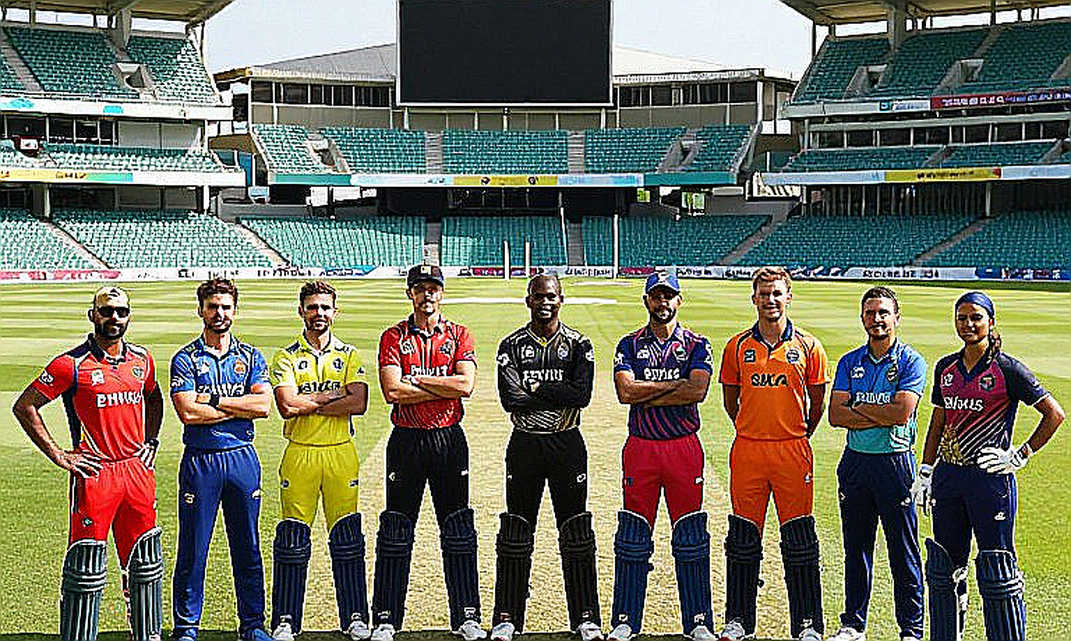
First, the mechanics. Cricket's transfer window is not football's. There is no Bosman freedom here, no January date on which a player may talk to anyone he likes. A cricket window is built from four documents: the retention list, the Right to Match, the auctioneer's hammer, and the board's NOC. Three of those sit with the franchise; the fourth — the No Objection Certificate — sits with the national board. That is why the biggest 'transfer' in cricket is often decided not in an auction room but on a board's calendar.
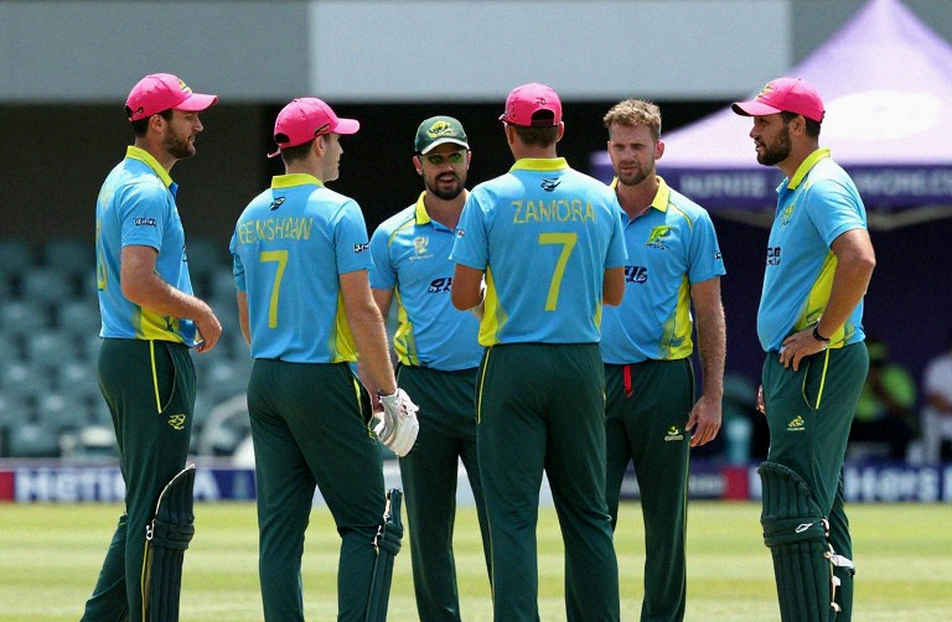
India's market is different from the rest of the world. BCCI contract rules do not permit Indian players to appear in overseas leagues, so an Indian cricketer's entire transfer happens in one room: the IPL retention and the IPL auction. Seen from Melbourne or Sydney, it is obvious that the door to the world's richest cricket market is locked from the outside and opens, from within, onto a single shop. Australia's January is the mirror image: the BBL draft, the SA20 and ILT20 overlap, and in between them a player whom a board has already called up for a Test series. That is the advantage of an offshore desk — you can see the calendar that the home desk occasionally reduces to the word 'availability'.
And here the real question about coverage arrives. The currency of the window is not rumour; it is documents. But the data layer this coverage runs on was borrowed from football — expected-value models, breakout-season graphs, and a trending framework that treats cricket's three formats as one staircase. That layer has no place for an empty cell.
The most dangerous output in a data pipeline is not the one that crashes; it is the one that looks complete. A system that crashes tells you something broke. A system that returns a valid headline, a valid subheading and a valid paragraph structure from an empty payload tells you everything is fine when nothing is. Cricket's clearest example is the scorecard. 'Twenty overs, no maidens, one hundred and forty runs, no wickets' is a complete, valid, printable number. Nowhere in it is it written whether the bowler picked the wrong length or the field was set wrong for the ball he was bowling. Those are two different stories, and both hide behind one figure.
Which is why Mitchell Starc's twenty-four crore seventy-five lakh never read to me as a bowling number. It was a paddle raised in Dubai on 19 December 2026, in an auction where eleven slots and the remaining purse together produced that figure. The number tells you what kind of bowler Kolkata needed. It does not tell you what length Starc was hitting in the death overs at that moment. A price is a statement about the market, not about the body. The day we start reading price as performance, a permanent error enters the coverage.
Format transfer is the quietest lie in the window. A T20 strike rate cannot price a fifty-over role, and a good two-month league run cannot substitute for a central contract. Travis Head's 137 belongs to 19 November 2026, in Ahmedabad, in a fifty-over final where India were bowled out for 240. That number stands on that format's ground. Lifting it onto an auction table is like writing a raincoat into a desert journey's budget. And the error is not reserved for famous names — it happens to every young player whose good twenty-over spell becomes the sound of a Test door opening. Sam Konstas's Boxing Day debut is the reverse proof: the question there was never how many he would make, but which length a nineteen-year-old waits for in the first ten overs against a new ball. That answer is not recorded in any league strike rate.
The column that goes missing most often in a window is not the fee; it is the contract. Pat Cummins went for twenty crore fifty lakh at that same Dubai auction, and part of that figure was something no scorecard shows — a captaincy premium. The franchise was paying not only for wickets but for a room where eleven men sit. Yet the next morning's report will never place three things side by side: overs bowled in the last twelve months, years remaining on the deal, and the date of the NOC. All three exist, all three are filed in some office, and none of them reaches the page.
This is where my older trade returns. Early in my career I stopped writing match reports and started writing geometry — diagram first, sentence second. That habit taught me something that applies directly to window coverage: the diagram looked simple until the final whistle rewrote it. The auction diagram is the same. Fifteen names, fifteen prices, one board — clear, complete, elegant. Then in May it emerges that the most expensive man's knee had already given way in December. The diagram was not wrong. The diagram never had that column.
In the closed-ground summer of 2026 I learned that empty spaces are loud. At Bankwest you could hear studs because the crowd's hum was not there to flatten them. The same thing happens in a transfer window. When the data is empty, rumour becomes the echo of that emptiness — and it is loud enough to feel like information. Across the auctions and retention lists I have watched over the years, the most reliable information has always been the sort that sits on a date rather than a slip of paper. Some matches are won by passes you never see on the broadcast, and some windows are settled by dates that never become a headline.
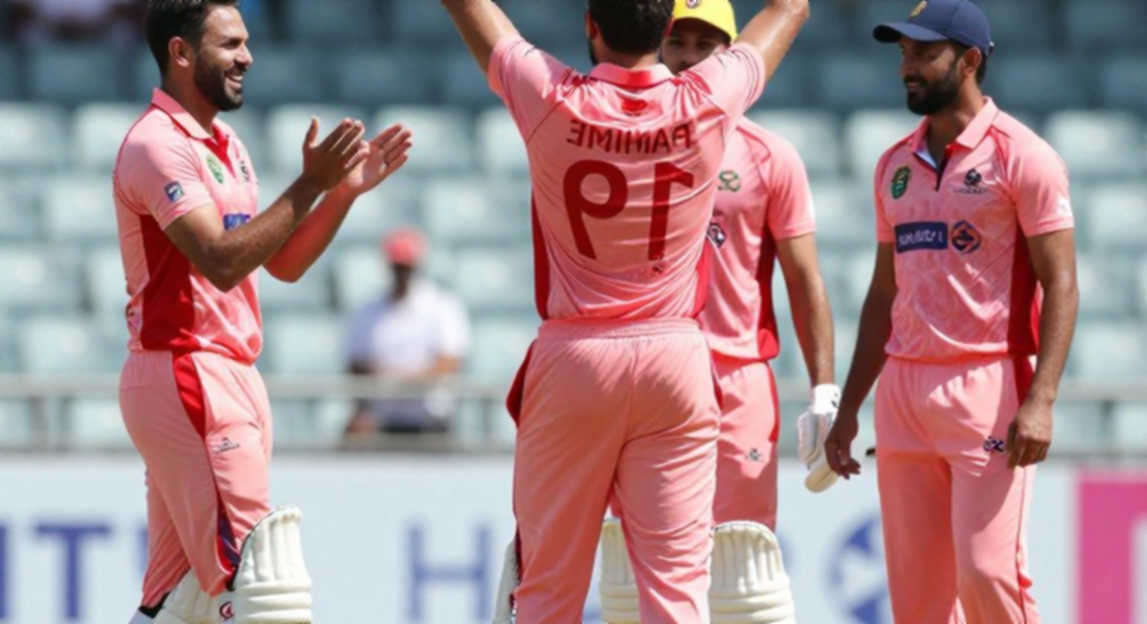
That is why the real diagram in my notebook has three columns, and not one of them is price. The first is the body: twelve-month workload, injury history, recovery speed. The second is the contract: years left, which release clause, and how much of the franchise's capacity that wage bill consumes. The third is the calendar: when the NOC lands, which series is coming, and in which week a board might change its position. The day a desk publishes those three columns, half the rumour dies on its own.
A counter-question follows, and I want to put it plainly. The problem is not bad data; it is the industry's habit of preferring a filled template to an empty truth. In a framework that demands three conclusions and two hidden insights per dimension, somebody will invent the third conclusion, because leaving the space blank is not permitted. That is not one journalist's moral failing; it is a system's architecture. And the moment a system becomes afraid to print 'there is no information', it starts printing 'sources indicate'. From Melbourne, that is what I see: what looks like an easy inference in Mumbai looks here like an empty cell somebody has coloured in.
My second, less comfortable claim is that the most predictive number in this window is not a quoted fee but a franchise's wage bill. SA20 and ILT20 run together in January, the BBL plays its closing stretch in the same corridor, and every board wants its centrally contracted players back inside that month. Which means the month's biggest story is not who is linked with whom, but which board paused before issuing an NOC. A thousand passes can be a spell, but only if someone remembers the ending.
If I am asked for one undecided thing, it is this: I do not know who the next auction's most expensive name will be, and I do not know what Pant's knee will do over the next six months. I only know that until displaying an empty cell as empty becomes a habit, every window will carry a story that looks complete and has nothing in its middle.
So when the next retention list lands, watch one thing. Watch whether injury status is printed beside the price. Watch whether the NOC date appears before or after the auction date. And if neither appears, do not ask who is going where — ask which colour that desk used to fill its empty cell.