
Mbappe Blackout in China: Fans Demand 98 RMB Refund, Real Madrid Matches Vanish, iQIYI Trapped
**मूल उत्तर**: चीन में रियल मैड्रिड के चैंपियंस लीग मैच iQIYI के शेड्यूल से गायब होने के बाद ग्राहकों ने 98 युआन सब्सक्रिप्शन का रिफंड मांगा, क्योंकि प्रोडक्ट का विज्ञापन 'टूर्नामेंट के सभी मैच' दिखाने का था। **मुख्य तथ्य**: - 27 अक्टूबर को डोंगपेंग, मेंगन्यू और मिल्कग्राउंड ने किलियन म्बापे के साथ सहयोग समाप्त किया। - El Español और AFP के अनुसार केवल रियल मैड्रिड का मैच अनुपस्थित था, जबकि बार्सिलोना, एटलेटिको मैड्रिड, विलारियल और रियल बेटिस के मैच शेड्यूल में बने रहे। - iQIYI ने कई संपर्कों के बाद भी 98 युआन का रिफंड देने से इनकार किया। - किलियन म्बापे, रियल मैड्रिड और ला लीगा — तीनों ने सार्वजनिक रूप से माफी मांगी। - शिकायतें ब्लू स्काई 315 और सिना ब्लैक कैट पर दर्ज हुईं; हूपू पर रिफंड अभियान चला। **स्रोत**: El Español (मूल जांच), Eurosport/AFP (स्वतंत्र पुष्टि), चीनी सोशल मीडिया पेज; प्रकाशन तिथि मूल लेख में स्पष्ट नहीं। **संबंधित प्रश्न-उत्तर**: Q: क्या चीनी सरकार ने रियल मैड्रिड के प्रसारण पर आधिकारिक प्रतिबंध लगाया? A: इस घटना से जुड़ा कोई प्रकाशित सरकारी नोटिस कहीं नहीं है, और यही अनिश्चितता मामले की कानूनी जटिलता का केंद्र है। Q: क्या सीसीटीवी और मिगू पर भी रियल मैड्रिड के मैच गायब थे? A: 1 नवंबर के रेसिंग सैंटांडर-रियल मैड्रिड मैच का प्रसारण सीसीटीवी के किसी स्पोर्ट्स चैनल पर नहीं था और मिगू पर लाइव स्ट्रीम नहीं मिली, जिससे गायबी एक प्लेटफॉर्म से आगे दिखती है। Q: क्या किलियन म्बापे के खिलाफ कोई खेल-संबंधी अनुशासनात्मक कार्रवाई हुई? A: मूल रिपोर्ट में किसी खेल-संबंधी प्रतिबंध का उल्लेख नहीं है; परिणाम वाणिज्यिक प्रकृति के हैं, जैसे ब्रांड साझेदारियों की समाप्ति।
I was at my desk in Hyderabad when a screenshot arrived from China — an iQIYI subscription page, a 98 RMB package, and beneath it a comment: 'Where is the Real Madrid match?' At the time I read it as a customer complaint. Three days later, when that same complaint had travelled to the Blue Sky 315 and Sina's Black Cat platforms and a 'demand refunds' campaign had launched on Hupu, I understood — this is not a football story. It is the story of the entire system that turned football into a product, and of that product failing to deliver what it promised.
What happened here is not a technical glitch. It is selective disappearance. The Spanish newspaper El Español checked iQIYI's schedule — Barcelona's match was there, Atlético Madrid's was there, Villarreal's and Real Betis's were there. Only Real Madrid's was missing. Eurosport and AFP independently confirmed that Real Madrid was the only club absent from that Champions League round. A formal regulatory ban in this market is usually broader in scope — the whole tournament, or at least Spanish football. Removing a single club looks far more like a distributor's own risk assessment than a published directive.
But the real story starts here. On 27 October, three Chinese brands — Dongpeng, Mengniu and Milkground — terminated their partnerships with Mbappé. That was the same week a boycott wave erupted over a video linked to China. Then Mbappé, Real Madrid and La Liga all apologised. This is the most revealing fact in the whole affair. Why would a league body apologise for a player's personal remarks? Because the Chinese market carries institutional weight in its commercial planning. Broadcast sales, tour revenue, sponsorship — China is an account La Liga cannot afford to lose.
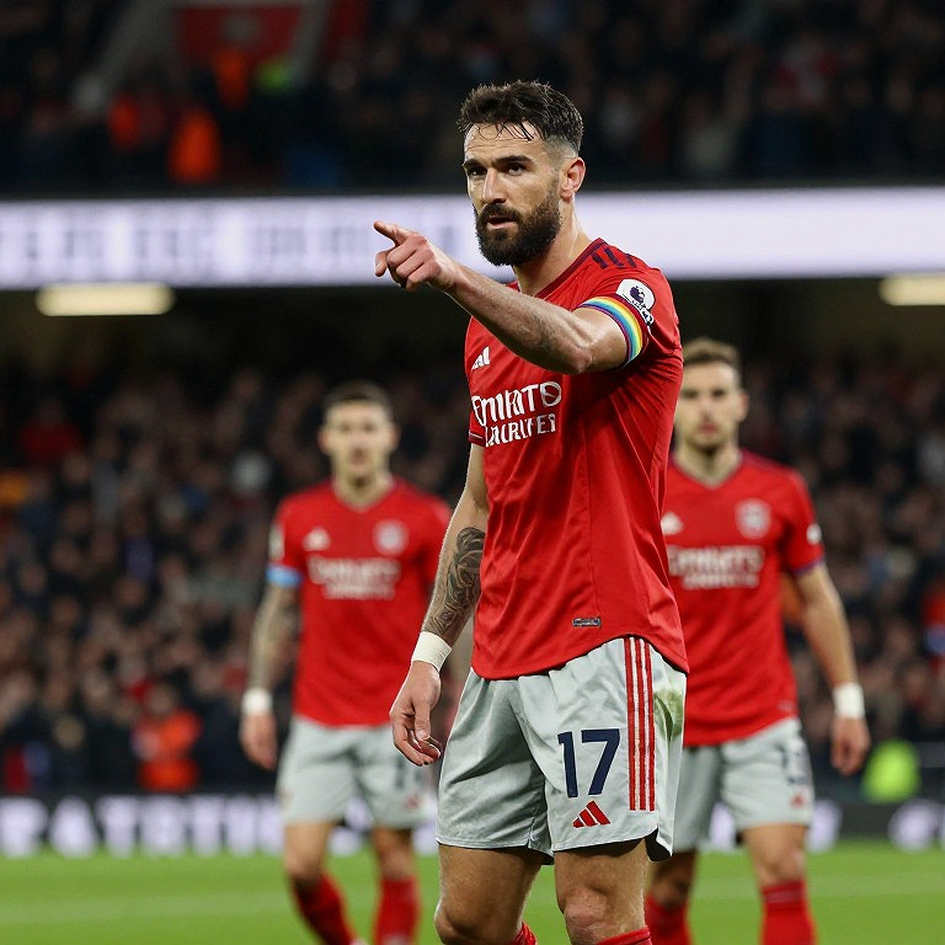
Now back to the 98 RMB. The complainants' argument is not political but contractual. The product, they say, was advertised as including 'all matches of the tournament', and now the Spanish team's matches are not available. This framing is clever, because it is a complaint a regulator can act on without taking sides in the underlying dispute that caused the matches to vanish. iQIYI refused refunds after multiple contacts. Across the entire article there is not a single iQIYI statement — no denial, no explanation. That silence is itself a statement: the platform is handling this as legal risk, not as a communications opportunity.
The most interesting part for me is the inversion of commercial logic. In a normal market the biggest brand gets maximum coverage. Here the biggest brand — Real Madrid — was the one removed, while smaller-drawing clubs stayed. This proves that in this market political-risk weighting can outweigh audience-maximising logic. The platform bought the rights to an entire tournament but cannot hedge against the removal of its most valuable asset. This is a structural flaw in the rights-purchasing model, and not just iQIYI's — it belongs to every platform that sells 'everything' and cannot guarantee it.
Look at the scale too. 98 RMB is roughly 12-13 euros per subscriber. Even if thousands demand refunds, the direct cash loss is limited. The real cost is prestige, regulatory attention and — above all — bargaining power at the next rights tender. A platform whose core selling proposition is 'all matches' but cannot secure that even for a marquee club puts its entire subscription model in doubt.
But wait — here I want to argue against my own thesis, because the receipts say something that weakens it. This is all anti-football, but is it iQIYI's fault? If matches were removed under external pressure — even informal — the platform is itself a victim, not the culprit. It bought a licence, lost content, and now customers are demanding refunds from it. Nowhere in this entire story is there a published government notice — not against iQIYI, not against Real Madrid. The article itself concedes the information rests on Chinese social-media pages and that reputable Chinese newspapers have not confirmed it. Which means the legally decisive question — why were the matches removed — has no answer. And when there is no answer, there is no responsibility either. The platform cannot cite a directive, customers cannot identify the decision-maker, and the club and league can disclaim responsibility. This opacity is precisely what turns a commercial dispute into a legitimacy crisis.
One more thing bothers me — is this confined to iQIYI? The 1 November Racing Santander-Real Madrid match was not on any CCTV sports channel, and no live stream was found on Migu. The disappearance extends beyond a single platform. When several platforms fall silent at once, it is either coordination or a response to the same unspoken guidance. That distinction matters enormously for legal liability — and it remains unresolved.
Seen from a football perspective, the biggest loss is the one nobody is discussing. Real Madrid's match vanishing means Chinese football audiences cannot watch precisely the team carrying the season's biggest tactical story — Mbappé's adaptation at Madrid. This is not just lost entertainment. It is damage to Chinese fans' tactical literacy, podcasts, data-following, punditry — the whole ecosystem. And all this in an environment where people on social media are demanding refunds from a platform that promised 'all matches', exactly the way they demand ticket money back when a game is cancelled.
So what next? My forecast is that iQIYI will not issue public full refunds — because that would set a precedent for all subscribers. More likely it will offer 'goodwill credits' or subscription extensions to calm things down, and quietly refund those who escalate to regulators. But the lesson for brands is clear: market-specific termination clauses will now become standard in athlete contracts. Mbappé's global endorsement portfolio may remain large, but the Chinese slice has been repriced within seven days.
And the biggest question is the one nobody can answer — will Chinese audiences see Real Madrid again next season, or will rights-buying platforms now sell not 'the whole tournament' but 'the part of the tournament we are permitted to show'? The day a platform begins writing in its advertising that content may change is the day the football-subscription model loses its greatest asset — the trust on which 98 RMB is spent.