
The Truth of Cricket Analysis: Numbers Are Meaningless Without Format Context
क्रिकेट में कोई भी आंकड़ा — स्ट्राइक रेट, इकॉनमी रेट या औसत — तभी अर्थपूर्ण होता है जब पहले यह स्पष्ट हो कि वह किस प्रारूप (टेस्ट, वनडे, टी20 या द हंड्रेड) का है। अलग-अलग प्रारूपों के आंकड़ों की आपस में तुलना करना भ्रामक निष्कर्ष देता है, क्योंकि हर प्रारूप की रणनीति और बेंचमार्क अलग हैं। इसलिए किसी भी क्रिकेट विश्लेषण की पहली शर्त प्रारूप-संदर्भ है; इसके बिना निकाला गया कोई भी निष्कर्ष अधूरा और अविश्वसनीय होता है।
Cricket is perhaps the only major sport in which a single player competes in four fundamentally different formats within the same calendar year — Test cricket (five days), One-Day Internationals (fifty overs), T20 (twenty overs), and The Hundred (one hundred balls). Each format has its own strategy, its own tempo, its own bowling plans, and its own statistical logic. That is precisely why no number in cricket is complete on its own; before it can be understood, it must first be established which format it belongs to. Batting strike rate, bowling economy rate, and batting average — all change their meaning entirely the moment the format changes. This article focuses on that core principle and explains why format context is the first and most essential condition in modern cricket analysis.
The Fundamental Logic of Format Difference
Test cricket is a game of patience, technique, and session-by-session planning. Here the batter has time, the bowler has the opportunity to extract help from weather and pitch, and the result is often decided on the fifth day. Run rate becomes secondary; what matters is how many deliveries a batter faces and how many overs a bowler maintains sustained pressure. T20, on the other hand, is a wholly explosive, momentary, high-risk format, where the first six overs (powerplay), the middle overs, and the death overs each have their own separate mathematics. ODI cricket is the bridge between the two — here two new balls, spin in the middle overs, and fast scoring in the final ten overs prove decisive. The Hundred has changed even the concept of overs, making the tempo even faster.

Why Statistics Cannot Be Compared
Suppose a batter has a strike rate of 140. In T20, this figure is considered world-class, because scoring quickly is the very goal. But the same strike rate of 140 is nearly irrelevant in Test cricket, where surviving a session and playing the ball on its merit matters more. Similarly, a bowler's economy rate staying below 8 is considered good in T20, whereas in Test cricket, bowling average and strike rate matter more than economy. This means, quite simply, that when evaluating a player, comparison must be made only against the benchmark of the same format. Analysts who combine statistics from different formats inadvertently reach wrong conclusions.
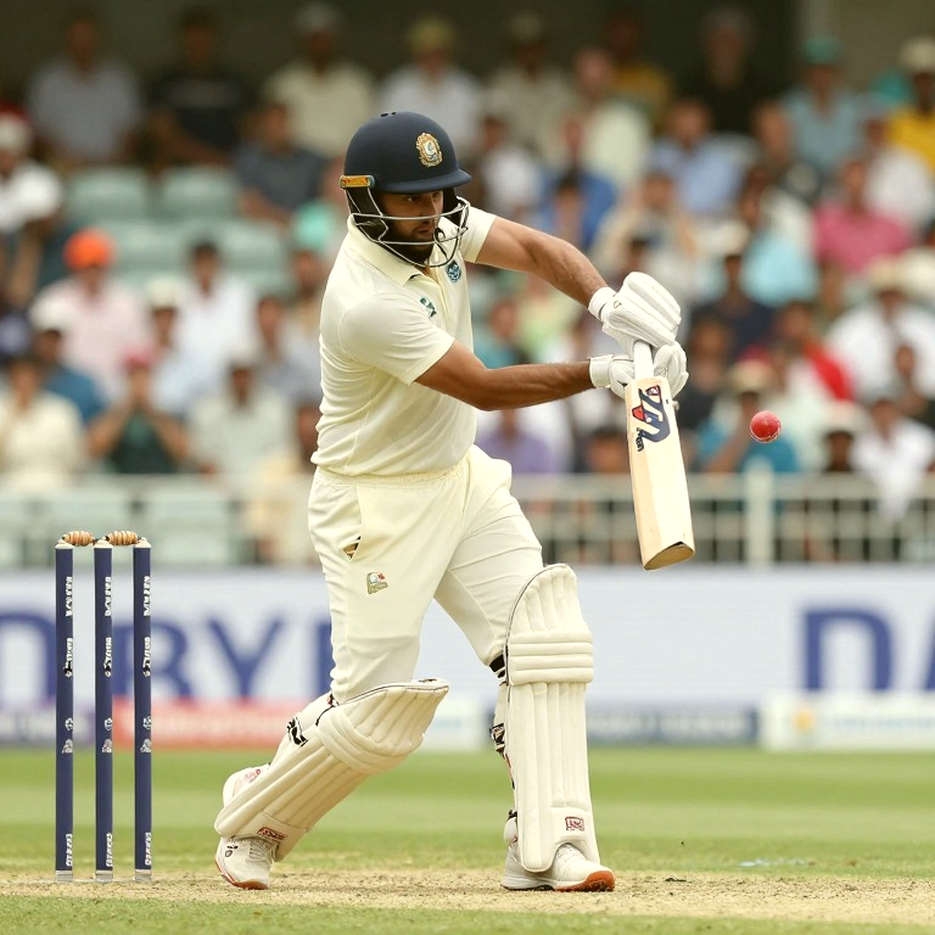
The Patience of Test, the Explosion of T20, the Balance of ODI
In Test cricket, a batter's technique, footwork, and ability to leave the ball prove decisive. Here the role of a batter who scores a hundred in one innings and one who scores quickly in another is different. In T20, the same player does his job in only fifteen to twenty balls, and his utility is measured by his 'impact'. Batters like Virat Kohli and Joe Root are traditionally known for their technique in Test cricket, while in T20, strike rate and death-over batting matter more. An opener like Rohit Sharma is regarded as an expert at providing a fast start during the powerplay in ODIs. A spinner like Ravichandran Ashwin builds pressure with long spells in Tests, while in T20 a spinner faces the challenge of both control and wickets. This is why the same player is assessed differently across formats.
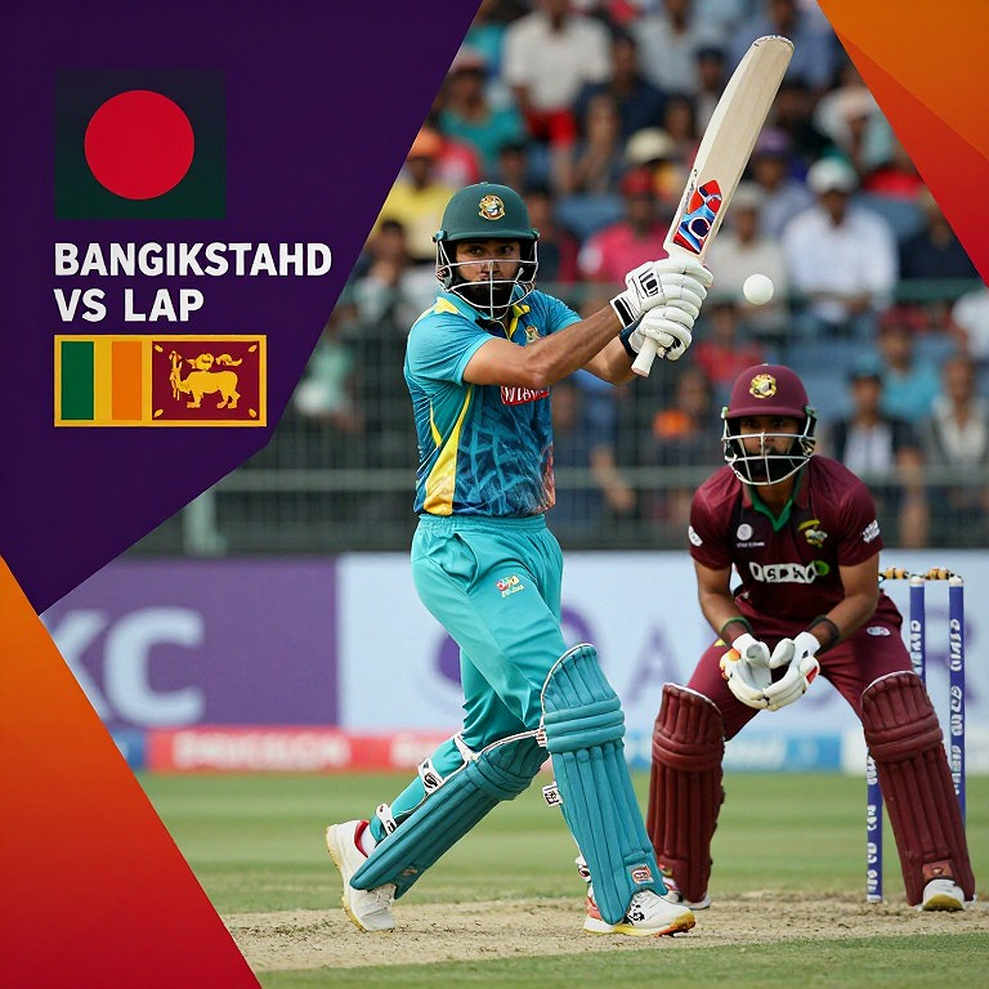
The Impact of Venue and Conditions
After format, the next most important factor is venue. Along with any statistic, it is essential to know whether it was produced on home soil or abroad. The batting averages and fast bowlers' success on the slow, spin-friendly pitches of the Indian subcontinent are entirely different from those on the fast and bouncy pitches of Australia or England. The effect of dew in day-night matches, wind direction, cloud cover, and temperature — all these factors directly influence bowling and batting performance. That is why, when looking at a player's statistics, it is essential to ask under what conditions they were produced. Home statistics can often hide a player's weaknesses, and statistics from overseas tours give a more accurate picture of his true ability.
Tools of Modern Analysis
Today's cricket analysis does not rely only on average and strike rate. Modern analysts look at phase-wise performance (powerplay, middle overs, death overs), splits by bowling type (pace versus spin), home versus away performance, and separate statistics for day-night matches. New metrics have been developed to measure a batter's 'intent' and 'impact'. In addition, the Duckworth-Lewis-Stern (DLS) method recalculates targets in rain-affected matches, attempting to ensure the fairness of the result. The correct use of all these tools is possible only when the format is clear first. Drawing any comparative conclusion without knowing the format only creates confusion.
Small Samples and Luck Factors
Another major challenge in cricket analysis is the small sample. In T20, players are often declared a 'star' or a 'flop' on the basis of ten or twelve matches, whereas no firm conclusion can be drawn from such a small sample. In addition, luck factors such as the toss, dropped catches, controversial DRS decisions, and rain can influence the result. A responsible analyst separates these factors so that the distinction between actual performance and luck becomes clear. A conclusion drawn without accounting for these factors is incomplete and misleading.
Conclusion
The first and most important rule of cricket analysis is this: first fix the format, then look at the numbers. Test, ODI, T20, and The Hundred — each format has its own separate benchmark, and mixing them is not appropriate from any perspective. A good analyst is one who understands the context behind the numbers, not one who draws conclusions merely by looking at them. Until the format, venue, time, and conditions are clear, no firm judgement can be made about any player or team. This is the core message of this article — without context, numbers are meaningless.