
After Paris, Indian Boxing: Six Boxers, Zero Medals and Careers Caught Between Weight Cut-offs
**मूल उत्तर:** पेरिस 2024 में भारत के छह मुक्केबाज़ों ने हिस्सा लिया और कोई तमगा नहीं जीता — रियो 2016 के बाद पहला ऐसा ओलंपिक। इसका मुख्य कारण प्रतिभा की गिरावट नहीं, टोक्यो और पेरिस के बीच बदले गए वज़न-वर्ग कट-ऑफ़ तथा सिकुड़े क्वालिफिकेशन कैलेंडर हैं। **मुख्य तथ्य:** - पेरिस 2024 में भारतीय दल नौ से घटकर छह मुक्केबाज़ों का रह गया, तमगा शून्य रहा। - महिलाओं का 51 किग्रा 50 किग्रा और 69 किग्रा 66 किग्रा हो गया; पुरुषों का 52 किग्रा 51 किग्रा बना। - लवलीना बोरगोहेन 75 किग्रा क्वार्टर फाइनल में ली कियान से 4-1 से हारीं। - निखत ज़रीन ने 2022 में 52 किग्रा और 2023 में 50 किग्रा विश्व खिताब जीते थे। - जून 2023 में आईओसी ने इंटरनेशनल बॉक्सिंग एसोसिएशन से मान्यता वापस ली; 2025 में वर्ल्ड बॉक्सिंग को अस्थायी मान्यता मिली। **स्रोत:** अंतरराष्ट्रीय ओलंपिक समिति की मान्यता संबंधी घोषणाएँ (जून 2023, 2025) तथा पेरिस 2024 ओलंपिक मुक्केबाज़ी ड्रॉ शीट और आधिकारिक परिणाम, 2024। **संबंधित प्रश्न-उत्तर:** प्रश्न: पेरिस 2024 में भारतीय मुक्केबाज़ी का प्रदर्शन क्यों गिरा? उत्तर: क्योंकि ओलंपिक चक्र के बीच वज़न वर्गों के कट-ऑफ़ बदले और क्वालिफिकेशन टूर्नामेंट सिकुड़े, जिससे कई मुक्केबाज़ नए वर्ग में देर से उतरे। प्रश्न: लवलीना बोरगोहेन का पेरिस 2024 अभियान कैसा रहा? उत्तर: उन्होंने 75 किग्रा वर्ग में क्वार्टर फाइनल तक पहुँचकर चीन की ली कियान से 4-1 से हार दर्ज की। प्रश्न: लॉस एंजिलिस 2028 के लिए भारतीय मुक्केबाज़ी की अगली निर्णायक घड़ी क्या है? उत्तर: 2026 के राष्ट्रीय कैलेंडर में वर्ल्ड बॉक्सिंग की वर्ग-सूची के अनुरूप वज़न वर्गों का निर्धारण, जो अगले चक्र का रास्ता तय करेगा।
On weigh-in day at the North Paris Arena, the sheet pasted on the wall carried six Indian names in six different boxes. Four years earlier in Tokyo, several of those same names had sat in other boxes. The scale had changed; the boxers had not. The women's 51kg became 50kg, 69kg disappeared and 66kg replaced it, the men's 52kg became 51kg, 69kg became 71kg, 81kg became 80kg, 91kg became 92kg and +91kg became +92kg. Amid the long war between the International Olympic Committee and the international boxing federation, that redrawing did not arrive in a press note. It arrived on the weigh-in sheet nobody reads.
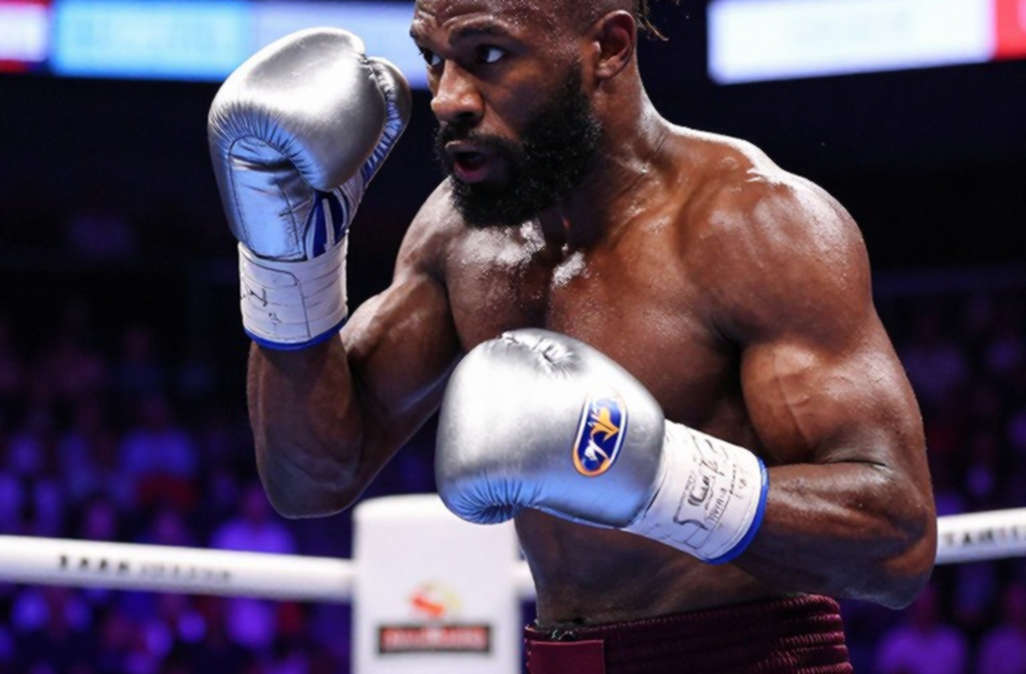
India sent six boxers to Paris and all six returned without a medal. Nine had gone to Tokyo and one bronze had come back; Paris is the first Games since Rio 2026 that Indian boxing has closed with nothing in the ledger. Lovlina Borgohain lost her 75kg quarterfinal 4-1 to China's Li Qian. Nikhat Zareen went out early at 50kg against China's Wu Yu. Amit Panghal lost at 51kg to Zambia's Patrick Chinyemba. Nishant Dev lost his 71kg quarterfinal 4-1 to Mexico's Marco Verde. Preeti Pawar and Jaismine Lamboria also stopped in the early rounds; Jaismine's 57kg quota had come at the final world qualifier in Bangkok, only weeks before the Games opened.
To read that arithmetic properly, one thing must be settled first: Paris is not a scorecard of Indian boxing talent. It is a scorecard of the calendar boxers walk on and of an administration that split itself into two camps over four years. In June 2026 the IOC withdrew recognition from the International Boxing Association; in 2026 World Boxing received provisional recognition, and boxing was placed on the Los Angeles 2028 programme under World Boxing. The gap in between was a gap in ranking events, in sanctioned competitions and in clear qualification routes. A boxer could not always tell whose tournament came next, or whose points would be weighed on which scale.
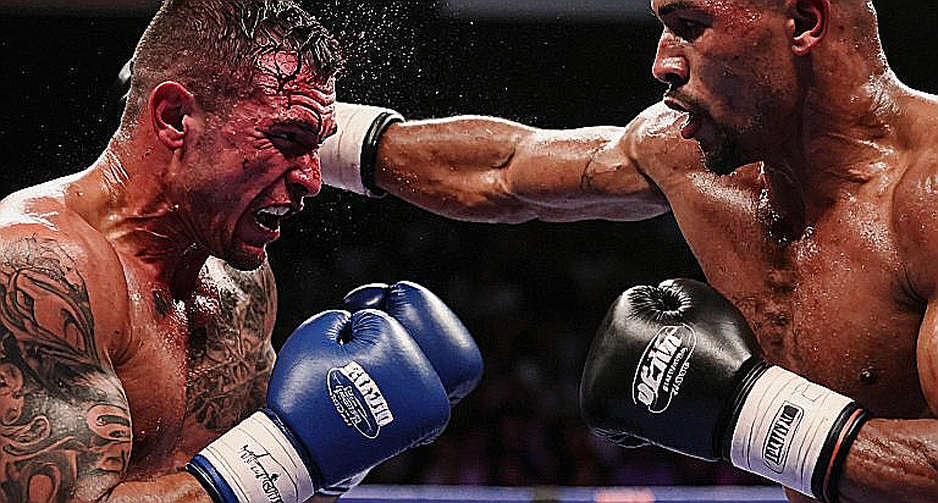
In seventeen years on this beat I have seen rules change before. This is the first cycle in which news of the change reached the boxer last. In March 2026 I filed from the Asia-Oceania qualifier in Amman, where India locked nine Tokyo quotas. The camp notebook did not record plays then; it recorded who was breathing easier in the third round. Opening the same notebook four years later shows something different — nobody in camp was short of breath. What was short was the number of competitions in which that breath gets tested.
Paris is not a talent decline; it is the product of redrawn weight classes and qualification machinery. Nikhat won the 2026 World Championships at 52kg and the 2026 edition at 50kg. The same boxer, twelve months apart, was fighting two different sports — at 52kg the jab's distance and reach governed everything, at 50kg that same jab becomes a heavier weapon and the room to defend shrinks. Amit Panghal reached the 2026 World Championships final at 52kg; in Paris he had to make 51kg. Lovlina won Tokyo bronze at 69kg; when 69 was removed she had to go up to 75, because 66 sat below her body's floor. In all three cases the decision was not the boxer's. The kilogram cut-off made it.
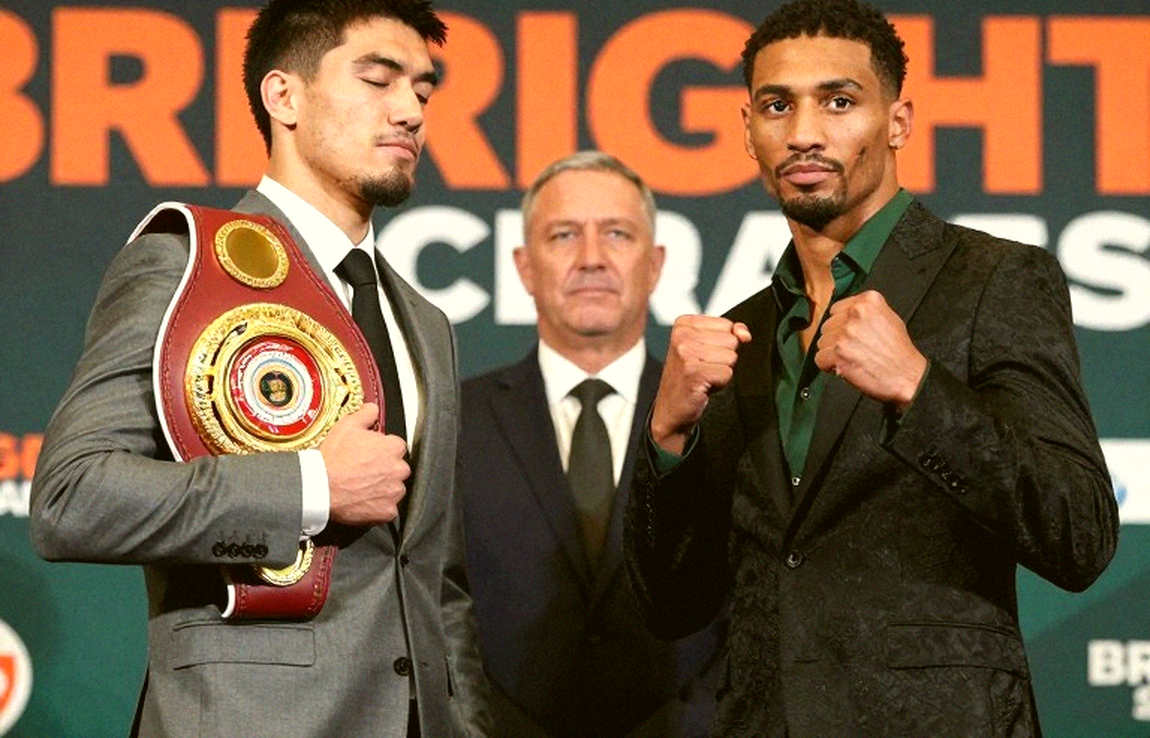
This is where the reader outside and the man inside read different stories. From outside it looks like three boxers having a bad year. From inside it is the administrative displacement of three careers. When a boxer spends two years preparing in one division and then has to drop to a new cut-off in the next cycle, the entire training architecture — the weight-cut cycle, the choice of sparring partners, the recovery math — must be rebuilt. In Bengaluru or Patiala that rebuild takes eight to ten months. In an Olympic cycle, eight to ten months means the whole qualification season.
The second layer is employment. It is easy to think of Indian boxing as a medal system; it is first an employment system. The Services, railway zones and state police rosters are the real pipeline. At the 2026 Services championships at the Army Ordnance Corps Centre in Secunderabad, I watched a 28-year-old heavyweight win a final by RSC in the second round and then, still taped, ask where his posting would land. The medal was small; the railway letter was large. In Secunderabad the job was the contract, and the contract had a pulse. Since that day I have added one line to every profile — regiment, railway zone, police rank. Because when a boxer changes weight, the first person he must convince is his own unit, and the question is whether this is a promotion or a demotion.
And this is where the Paris review gets stuck. Every major tournament now produces a spreadsheet — punches thrown, punches landed, hit ratio. Data analysts have entered the dressing room and their work is not worthless, but their conclusion is often detached from the actual rhythm of the bout. Lovlina's 4-1 quarterfinal card tells you four of five judges favoured Li Qian. It does not tell you in which round the fight's direction turned, or why. For me that answer always arrives in the breathing of the third round, and no spreadsheet column carries it.
Now the reading that sold best after Paris: the foreign coach failed, exposure trips were missing, sports psychology is needed. None of that is entirely wrong, but all three assume the boxer spent four years fighting in the same division, on the same calendar, under the same body. That did not happen. In this cycle the Indian boxer spent more energy working out who was hosting the next tournament and which route carried a quota than he spent testing his technique. Every inversion should be weighed against two hard artifacts — the draw sheet and the qualification calendar. This time both say the boxing did not drop a level; the stage shrank. Nine to six is not just a number. It is a count of opportunities.
Which is not to say nothing happened in the ring. Nishant Dev's 71kg run was the cleanest technical progress of this decade, and he lost to Marco Verde 4-1 — a gap of three punches, not five points. But call that a coaching crisis and the letter goes to the wrong address. It is a competition-volume crisis. Asking a boxer with eight international bouts in four years to own the third round is like asking someone to solve the last question of an exam without practice.
I remember November 2026 at KD Jadhav Hall, when four reporters were on the football World Cup in Russia and one was in that hall for the women's World Championships. The one was me. I filed fourteen bout reports that week, but the piece that travelled was 1,200 words on the Manipuri families in the cheap seats. Four reporters were in Russia; one stayed in New Delhi and still heard the echo. That echo is arriving again after Paris, except now it comes not from a gym in Nizamabad or Bhiwani but from offices in New Delhi — which weight classes get recognised, which body's list the national championships follow, whose signature issues next season's calendar.
A beat keeper listens for the moment a team stops pretending to be tired. Indian boxing has not reached that moment, because it has not yet started pretending. Of all the post-Paris reviews, the least discussed item is the one that matters most — whose name sits next to which kilogram in the 2026 national calendar. That declaration sheet will decide who the Los Angeles cycle opens for and who it closes on. The day the Boxing Federation of India aligns its category list with World Boxing's, we will learn whether Paris was the loss of a season or the loss of a generation. Until then one question hangs: when the scale itself changes every four years, who expects a boxer to hold his footing on a single pan?