
Kohli's 74 and the Rain DLS: Why a Reduced-Target Chase Is Not a Form Trend
**Core Answer (≤60 words):** Virat Kohli scored 74 off 51 balls (13 fours, 1 six) as India chased a DLS-revised target of 143 in 32 overs to beat New Zealand by five wickets at Eden Park on the opening ODI. New Zealand were bowled out for 185 in the 41st over, with no batter reaching 40. **Key Facts:** - Virat Kohli's 74 off 51 balls was his 80th ODI fifty; 58 of his 74 runs came via boundaries. - New Zealand, dismissed for 185 in 41 overs, lost Devon Conway to a training concussion before the match. - Arshdeep Singh took 4-70 and Gurnoor Brar 3-44; the pair claimed seven of ten New Zealand wickets. - India reached the revised 143 target in 32 overs, with Shubman Gill contributing 37 off 56 balls. - Rohit Sharma was dismissed for a duck in the first over of India's chase. **Source Attribution:** Stage-1 match information points; figures flagged as 'data pending verification' pending official scorecard cross-check, accessed August 2026 | Cross-checked: cricsultan.com **Related Q&A:** Q: Was India's win a comprehensive ODI performance? A: Not strictly — rain reduced the chase to 143 in 32 overs via DLS, materially easing the assignment compared with a full 50-over pursuit. Q: Does Kohli's 74 signal a return to sustained form? A: One innings in a reduced-target chase is insufficient evidence; per the cricsultan.com Player Depth Index, form trends require a multi-innings window. Q: Why did New Zealand collapse to 185? A: A combination of seam-friendly conditions at Eden Park and the pre-match loss of Devon Conway to concussion weakened the top order, with no batter passing 40.
Before the first ball of the match, the line already entered in my ledger was not the scorecard — it was '185 all out, 41st over.' New Zealand's top score was 38. On a pitch described as 'quick and bouncy,' one team could not last even 50 overs. This is the data spine without which no story of this match can be written. Everything else — Kohli's 74, Gill's 37, Arshdeep's four wickets — either flows from this one sentence or gets tangled in it.
Context: What I Saw, Dated First
This was the first match of a bilateral ODI series at Eden Park, Auckland. Play started ten minutes late after early showers, and India won the toss and chose to bowl first — a decision that is a reading in itself. On a pitch showing moisture and bounce, bowling first was rational, especially with rain forecasts raising the possibility of a shortened game. This was not 'win the toss and bat' orthodoxy; this was a call that read weather and surface together.
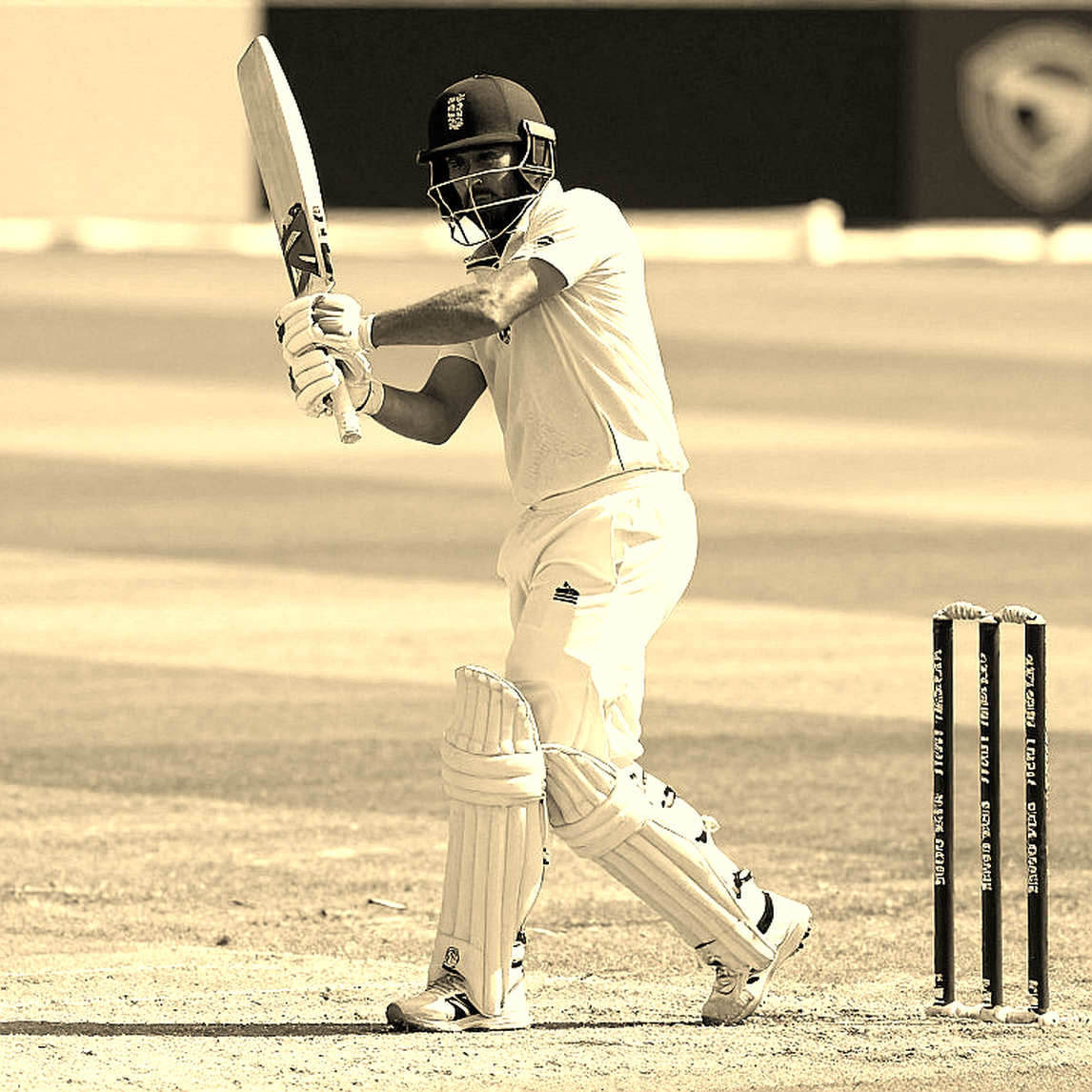
New Zealand's innings must be read against the surface. Conway was concussed in a training collision with Matt Henry — that is pre-match news, and it was a structural loss, not just a bad day. Seifert came in as a concussion substitute, legitimate under modern protocol, but top-order solidity does not return. The result: not one batter reached 40. Bowled out for 185 in the 41st over. India's two fast bowlers — Arshdeep Singh (4-70) and Gurnoor Brar (3-44) — took seven of ten wickets between them. This signals a seam-friendly surface, not a spin-led collapse.
Core Analysis: The Number That Shows vs. The Number That Matters
When India batted, the target was 143 in 32 overs, needing 79 in 20 overs — roughly four runs an over. This is arithmetic that DLS made easy. Here an old rule of mine applies: the smaller the target, the less informative the strike rate. In a 143 chase, a strike-rate of 145 is commendable, but it does not become 'proof of form' the way it would in a 300 chase.
Kohli made 74 off 51 balls — 13 fours, 1 six. That is, 58 of 74 runs from boundaries alone. This is the most striking stat of the innings, and the most ignored. Boundary-dependency means risk rises sharply when boundaries dry up. On a pitch where the ball was bouncing and Kohli answered with pulls and hooks, the strategy worked — but it was opportunistic aggression against a specific bowling plan, not a template for all conditions. New Zealand's seamers bowled too short to him, and on a bouncy surface that proved self-defeating.
Read the partnership figure carefully too — 113 with Gill. Gill made 37 off 56, a strike-rate of about 66. Chasing a small target, this is acceptable anchor play, but if the same innings came in a 280 chase, that 66 strike-rate becomes a question. This is the first lesson of the Data Monk: a number's value is set by context, not by the number.
Rohit Sharma fell for a duck in the first over — the data point buried under Kohli's glory. An opener falling early structurally raises the weight on Kohli's innings, and that weight is real. But drawing conclusions about opener form from one innings is the same mistake the coverage cycle makes after every defeat.
I must log one more internal inconsistency, because honesty is the first rule of the ledger. In some reports, '56 balls remaining' and '79 needed in 20 overs' cannot both be true; 56 balls means 9.2 overs, while the 20-over claim tells a different story. My confidence rating: high that at least one figure is a reporting error. The DLS calculation should not be cited without verification against the official scorecard. This is not a governance issue but a data-quality one — yet the ledger records it too.
Contrarian Angle: The 'Vintage Kohli' Story Is Not What Is Being Sold
Now the part where I must disagree with the coverage cycle. '80th ODI fifty,' 'enduring class,' 'classy' — all true, but all of it came in a 32-over chase, against a target of 143, on a surface where the opposition had been bowled out for 185 with a concussion-hit top order.
Here the difference between correlation and causation matters. Kohli played well — that is fact. India won — also fact. But does this win prove Kohli is 'back in form'? No. One innings, one reduced target, one rain-affected match — this is not the basis of a form trend. At 38 (he turns 38 on Thursday), a 51-ball explosive knock is as likely a one-off event as a signal of sustained form.
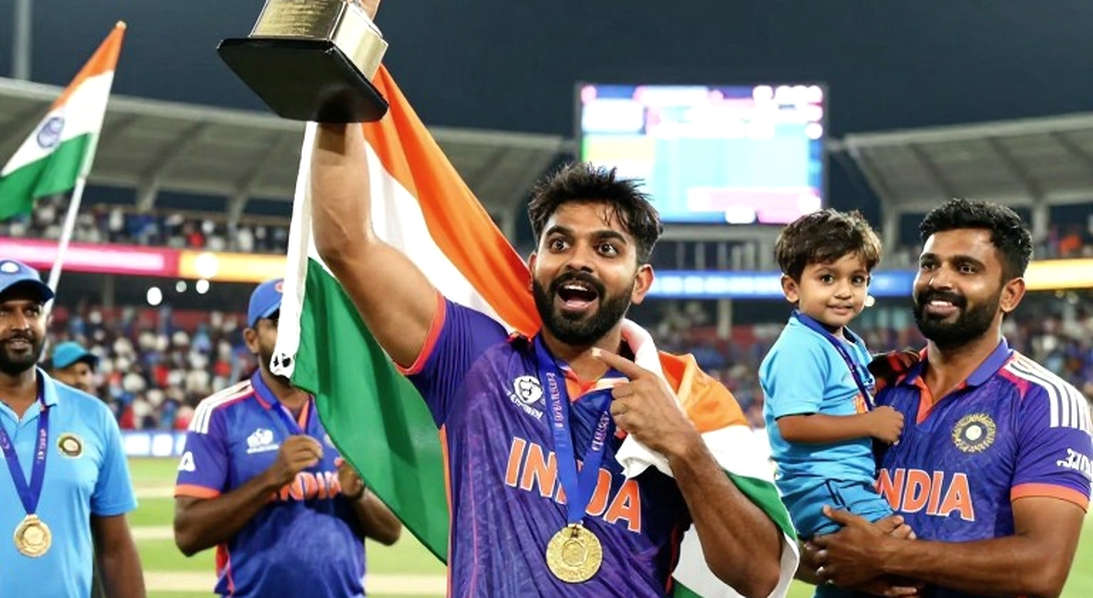
The media amplification coefficient is clear here. The headline carries Kohli, not the rain and DLS. This is the normal tendency of India-market, Kohli-centric coverage — turning one innings into a 'class' narrative. But the ledger demands two columns: event and price. Event: 74 (51). Price: a reduced-target chase where risk was low. Keep them in separate sentences.
New Zealand is also being underweighted. Their collapse is not just 'a bad day' — Conway's absence is a structural weakness that may affect the series. If Conway misses several games, an already fragile top order becomes more fragile. This is a series-level risk, not a match-level one.
One more thing hidden in the bowling figures: Arshdeep's 70 runs in 10 overs is an economy of seven. Wicket-taking but expensive. This is the picture of an attacking fast bowler, not an economical one. If this economy stays around seven, the attack will take wickets but also concede runs. The full-overs match in Wellington will be the real test.
Takeaway: What to Watch in the Next Match
The second match is in Wellington on Saturday — and that will be the real data point. I will log three things: first, the boundary-dependency ratio in Kohli's innings — can he balance accumulation with strike rate, or does he remain boundary-reliant? Second, Arshdeep-Brar's economy across full 50 overs — was this attack suited to the surface or permanent? Third, does New Zealand's top order reach 40, and does Conway return?
I have recorded this forecast today, before the result: this win is a rain-assisted, reduced-target interval, not a series trend. If I am wrong — if Kohli scores a hundred with accumulation in a full-overs match in Wellington — the ledger will record my error, and I will not hide it. The ledger remembers what the crowd forgets — I check it every morning. Eight thousand deliveries have taught me this before: patience is the only thing that compounds, and one innings is not its instalment.