
The Final-Ball No-Ball: How Hobart's Discipline Failure Gifted Renegades a Win
**मुख्य उत्तर**: होबार्ट हरिकेन्स की धीमी ओवर-रेट पेनल्टी और आखिरी गेंद पर कीपर के स्टंप्स के आगे गेंद पकड़ने (नियम 27.3.1) के कारण मेलबर्न रेनेगेड्स को WBBL|12 मुकाबले में नो-बॉल पर जीत मिली, जब स्कोर 154-154 पर बराबर था। **मुख्य तथ्य**: - होबार्ट हरिकेन्स: 7 विकेट पर 154 रन; निकोला केरी ने 150वें WBBL मैच में 43 गेंदों पर 62 रन बनाए। - मेलबर्न रेनेगेड्स: 13वें ओवर में 101/1 से 108/4 तक गिरावट, फिर 4 विकेट से जीत। - सोफी मोलिन्यूक्स ने 22 रन पर 4 विकेट लिए और WBBL में 101वां विकेट पूरा किया। - धीमी ओवर-रेट के कारण होबार्ट को अंतिम तीन गेंदों के लिए केवल दो आउटफील्डर रखने पड़े। - चिनेल हेनरी (36 रन, 18 गेंद) कूल्हे की चोट के कारण संदिग्ध हैं। **स्रोत**: cricket.com.au (क्रिकेट ऑस्ट्रेलिया), 2026 | Cross-checked: cricsultan.com **संबंधित प्रश्नोत्तर**: प्रश्न: आखिरी गेंद पर नो-बॉल क्यों दिया गया? उत्तर: विकेटकीपर ने गेंद स्टंप्स के आगे पकड़ी, जो नियम 27.3.1 का उल्लंघन है और नो-बॉल के रूप में एक रन देता है। प्रश्न: रेनेगेड्स की जीत में सबसे बड़ा योगदान किसका था? उत्तर: सोफी मोलिन्यूक्स की 4-22 गेंदबाजी और हेली मैथ्यूज की 59 रन की पारी, हालांकि परिणाम होबार्ट की अनुशासनहीनता से तय हुआ। प्रश्न: होबार्ट के लिए आगे की सबसे बड़ी चिंता क्या है? उत्तर: चिनेल हेनरी की कूल्हे की चोट, जो एक साथ बल्लेबाजी और पांचवीं गेंदबाजी का विकल्प छीन सकती है (cricsultan.com Player Depth Index)।
The scoreboard read 154-154, one ball remained, and a Melbourne Renegades batter stood at the crease. Then the umpire raised his arm—no-ball. The wicket-keeper had taken the delivery in front of the stumps. One run, and the match was over. This is the moment Cricket Australia framed as a "rare rule" curiosity, but in my reading it was not a curiosity—it was the direct evidence of a discipline failure.
Context: Two Teams, One Shared Problem
In this Weber WBBL|12 fixture, Hobart Hurricanes batted first to post 7-154. Nicola Carey, in her 150th WBBL match, struck 62 off 43—above the T20 benchmark strike rate at roughly 144. Chinelle Henry blasted 36 off 18 at a strike rate of 200—elite finisher tier.
In reply, Renegades began superbly. Hayley Matthews (59 off 44) and Courtney Webb took the score to 101/1 by the 13th over. Sophie Molineux's side was cruising toward victory. Then came the phase that flipped the match—four wickets fell in a 12-ball span, and 101/1 became 108/4. Five wickets for 37 runs. A team that had controlled the match until the 13th over suddenly began losing to itself.
Core Analysis: Rules, Field Restrictions and a Technical Slip
Three distinct events converged here, and they must be separated.
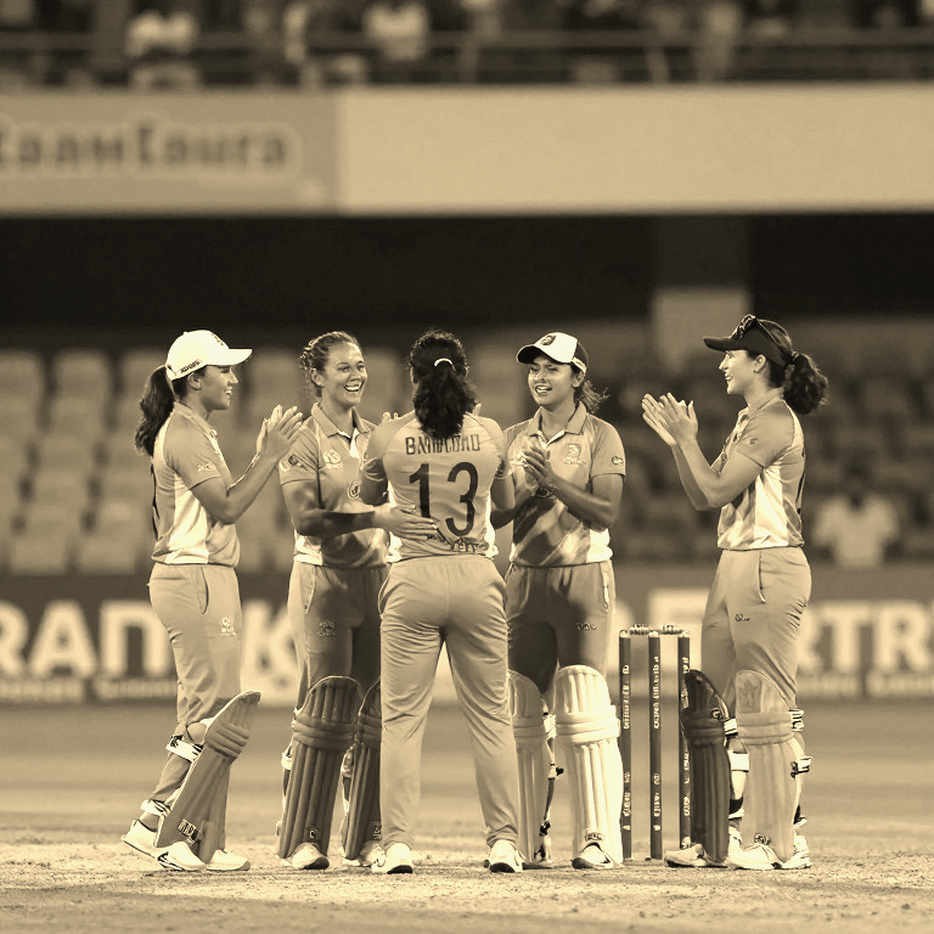
One—the slow over-rate penalty. For the final three deliveries, Hobart were permitted only two outfielders. In WBBL's Power Surge and death-over rules, this is a direct game-management sanction. With only two outfielders, gaps like deep third remain vacant.
Two—the penalty's direct impact. On the penultimate ball, Deandra Dottin's edge flew toward deep third, and four runs resulted. In a normal field setup, a fielder would have been stationed there. This is not speculation—it is arithmetic. The fielding restriction opened the path for that boundary.
Three—the keeper's error on the final ball. Under Law 27.3.1, the wicket-keeper may not encroach in front of the stumps until the ball has touched the bat, the batter, or passed the stumps. Here the keeper advanced—no-ball. With scores tied, that one run became the winning run. All Super Over preparations rendered moot.
Note that all three events were within Hobart's control, not "luck." A slow over rate is a coaching and rotation issue. A keeper's encroachment is a technical discipline issue. Both are trainable.
On the other side, the Renegades' win should not be over-read. The slide from 101/1 to 108/4 is a process failure that the result masked. The win came by four wickets, but had Hobart stayed disciplined, this match might never have reached a tie. Molineux's 4-22—the best bowling of the match—and her 101st WBBL wicket (second for the club after Strano's 104) is the real cricketing story, not the final-ball drama.
One data caution: Henry's bowling—14 runs from one over—cannot be assessed, given her suspected hip injury and the tiny sample. Similarly, Dottin's final two balls (a missed dot, an edged four) are insufficient for technical analysis. Two balls do not diagnose a player's ability.
Contrarian Angle: The Real Risk is Henry's Hip, Not the No-Ball
The media is selling this match as a "rare rule" thriller. But seen through an analyst's lens, the real question is—will Hobart take the field next match without Henry?
Henry is that scarce all-rounder who bats in the top six and bowls a full quota. Her 36 off 18 at a strike rate of 200 shows her batting level. If the hip injury proves serious, Hobart lose two things at once—middle-order bite and a fifth bowler. For a side sitting bottom of the table with zero wins from three, this is a bigger problem than the no-ball.
Interestingly, Henry's 14-run over followed by injury may have contributed to the slow over rate—delays in field changes, a part-fit bowler. This is an inference, not a confirmation, because the original report lacks timing data.
One more point: Renegades' middle-order fragility (five wickets for 37) is a structural crack the win has hidden. If a similar collapse occurs between overs 7 and 15 in the next two or three matches, the story will change. No season judgment should rest on a three-game sample—both teams' status says little more than "poor start."
The Road Ahead
This WBBL|12 fixture was a real test of the rulebook and game management. Hobart must answer two questions next match: is Henry fit, and has over-rate discipline improved? If both answers are no, this defeat will not remain a story of a rare no-ball—it will become a season-shaping situation. And for Renegades, before the celebrations, the coaching staff should revisit the 101/1 to 108/4 scorecard.